
7 Easy Exercises for Spinal Decompression You Can Do Daily
Table of Contents
Introduction:
Long periods of sitting, bad posture, and inactivity can put constant pressure on your spine in today’s fast-paced lifestyle, causing stiffness, pain, and even back pain. Exercises for spinal decompression improve posture, flexibility, and circulation to the back muscles by gently stretching and releasing tension in the spine.
From the comfort of your home, these easy, everyday exercises can support general back health, improve spinal alignment, and lessen pressure on the spinal discs.
Benefits of Easy Exercises for Spinal Decompression You Can Do Daily:
Regularly performing spinal decompression exercises has several advantages for your spine and general health. By relieving pressure on the spinal discs, these exercises can relieve neck and back pain caused by compression or bad posture.
Additionally, they increase the mobility and flexibility of the spine, enabling more fluid motion and improved body alignment.
Frequent decompression supports disc health and speeds up recovery from fatigue or stiffness by increasing blood flow and nutrient exchange to spinal tissues.
It also improves your posture, eases nerve tension, and lessens lower back stress, which makes you feel lighter, taller, and more at ease all day.
Easy Exercises for Spinal Decompression You Can Do Daily:
Child’s Pose:
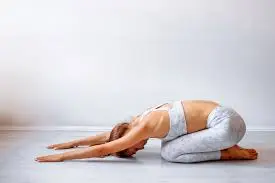
A mild and calming stretch that helps extend and decompress the spine is called Child’s Pose. This posture relieves stress in the neck and lower back by creating space between the vertebrae by stretching your arms forward and sitting your hips back into your heels.
In addition to encouraging relaxation and deep breathing, it helps stretch the shoulders, thighs, and hips. Daily Child’s Pose practice can help you relax your body and mind, increase flexibility, and lessen stiffness.
Cat-Cow Stretch:
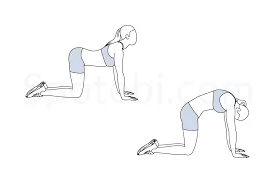
A great way to gently mobilize and decompress the spine is with the Cat-Cow Stretch. You can increase flexibility and circulation throughout your spinal column by alternating between rounding your back (Cat) and arching it (Cow).
This rhythmic exercise improves posture and spinal alignment while relieving tension in the shoulders, neck, and lower back. Regularly performing the Cat-Cow Stretch can help improve breathing and movement coordination and increase core activation.
Knee-to-Chest Stretch:
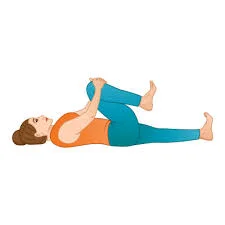
A straightforward but effective exercise for releasing tightness and tension in the lower back is the knee-to-chest stretch. This stretch helps relax the lower back muscles and lengthen the spine by gently pulling one or both knees toward your chest while resting on your back.
Additionally, it increases hip and gluteal flexibility, which enhances total spinal movement. Regularly performing this stretch can promote good spinal alignment, lessen stiffness, and improve pain from extended sitting.
Standing Forward Bend:
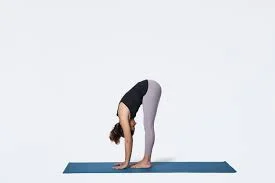
A good stretch for decompressing the spine and relieving tension in the shoulders, neck, and back is the standing forward bend. Gravity naturally lengthens the spine and increases flexibility as you hinge forward from the hips and let your upper body hang toward the floor.
Additionally, by stretching the calves and hamstrings, this pose improves posture and circulation. By performing the Standing Forward Bend daily, you can reduce tightness in your lower back, relax your mind, and feel rejuvenated.
Seated Forward Fold:
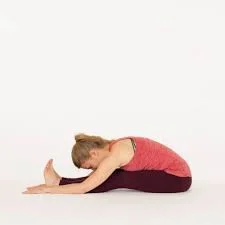
The Seated Forward Fold is a soothing stretch that increases hamstring and back flexibility while gently decompressing the spine. Your upper body can relax over your legs as you sit with your legs out in front of you, hinge at the hips, and reach for your toes.
This position improves circulation to the spinal muscles, lengthens the spine, and relieves lower back strain. Frequent use of the Seated Forward Fold can enhance general spinal health, improve posture, and reduce stiffness.
Glute Bridges:
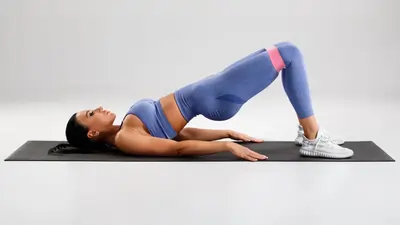
Glute bridges are an excellent workout that promotes mild spinal decompression and strengthens the lower back, glutes, and core. You may naturally stretch your lower back and hip flexors by raising your hips off the ground and using your glute muscles.
This exercise increases pelvic stability, relieves pressure on the lumbar area, and improves general spinal alignment. Regularly performing Glute Bridges can help strengthen and stabilize the core, improve posture, and lessen lower back pain.
Cobra Pose:

Cobra Pose is a mild backbend that strengthens the back muscles while stretching and decompressing the spine. This position releases pressure from the lower back and promotes spinal extension by raising your chest off the ground and stretching through your upper body.
Additionally, it improves flexibility and posture by opening up the shoulders and chest. Regular Cobra Pose practice helps improve spinal mobility, ease stiffness, and encourage balance and vitality throughout the body.
Supine Spinal Twists:
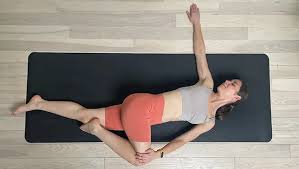
Supine spinal twists are a great approach to improve hip and back flexibility while releasing tension and decompressing the spine. This stretch helps extend the spinal muscles and increase lower back mobility by gently turning your knees to one side while resting on your back.
Additionally, it promotes improved spinal alignment, reduces stiffness, and improves circulation. Daily practice of supine spinal twists can ease back pain, lower stress levels, and improve your body’s sense of balance and relaxation.
Conclusion:
The way your back feels and works can be greatly improved by including these simple spinal decompression exercises into your everyday routine. Every exercise contributes to a healthier, pain-free back by reducing strain on the spine, increasing flexibility, and encouraging improved posture.
You can maintain spinal alignment, lessen stiffness, and improve overall mobility with only a few minutes of these exercises every day, regardless of how much time you spend sitting, standing, or exercising. Your spine will thank you with increased strength and comfort if you move carefully and consistently.
FAQs:
Neurologic symptoms, ranging from slight numbness to paralysis and death, are the most prevalent outcome of the more severe form of decompression sickness. Particularly at risk is the spinal cord. Numbness, tingling, weakness, or a combination in the arms, legs, or both can be signs of spinal cord involvement.
Hydration: Maintaining the health of your spinal disc depends on staying hydrated. Keep your body hydrated by drinking lots of water, which can help with healing. Limitations on Activities: For the first few days after your treatment, stay away from heavy lifting, high-impact exercises, and intense activities.
Traction: To stretch your spine, your doctor will utilize a traction table, weights, and pulleys. An inversion table may also be used by your healthcare provider. One kind of traction that takes advantage of gravity is inversion therapy. To relieve pressure on your spine, you lie on a tilted table.
The severity of your problem and how your body reacts to treatment will determine how often you have spinal decompression sessions. Broad Guidelines: First Phase: 2–5 sessions a week for 4–6 weeks, for a total of 12–20 sessions. Maintenance Phase: Regular sessions as required to stop symptoms from coming back.
Walking is a fantastic strategy to maintain or enhance your general health. It only takes 30 minutes a day to improve muscle power and endurance, strengthen bones, decrease excess body fat, and improve cardiovascular fitness.
Speaking with a back pain specialist will cure the issue more quickly and efficiently than speculating. Physical therapy, medication-based pain management techniques, and heat and ice therapy are examples of possible treatments.
Exercises like toe touches and forward bends that require bending forward from the waist can put too much strain on the lower back. These motions may worsen the protruding disc and increase pain.
Proper Sleeping Positions
The flexed hip posture is the ideal sleeping position for decompressing your spine. Flex your hips at a 30-degree angle while lying on your side in bed to get this position. Next, make another 30-degree bend in your knees.
Even during the first few treatments, some individuals report a minor decrease in pressure or pain. Though hopeful, these early indicators are only the beginning. Pain alleviation becomes more apparent after five to ten sessions.
Walking is a great method to stay active, but until you feel better, you should refrain from heavy lifting, awkward twisting, and bending when performing daily duties.
For this passive treatment to provide complete relief, it often takes eight to twelve sessions. It is rare for a “stubborn” pain syndrome to gradually improve over the course of more than 15 sessions. After four to six sessions, patients will typically get sufficient alleviation to start active rehabilitation.
Avoid aggravating factors
It’s crucial to refrain from reproducing your pain with specific activities, motions, or positions to help your symptoms subside. Prolonged sitting, standing, screen time, running, and leaping are a few examples.
For those with low back disc issues, walking is a great kind of exercise. Encouraging an upright posture, lowering pressure on the spine, and improving circulation help decompress the lumbar discs, all of which promote healing and long-term spinal health.
Spinal decompression therapy usually helps most people two or three times a week. However, depending on each person’s needs and circumstances, the precise number of sessions may vary. To determine the best course of action for you, it’s crucial to speak with your chiropractor.
References:
- Cronkleton, E. (2025c, August 1). 12 Spinal decompression exercises for all skill levels. Healthline. https://www.healthline.com/health/spinal-decompression-exercises
- Cscs, N. L. P. D. (2023, July 3). Spinal Decompression therapy at home – Exercises you can do. PostureFlow (Formerly Back Intelligence). https://backintelligence.com/spinal-decompression-at-home/
- User, G. (2025, June 12). Top 7 spinal decompression exercises to relieve back pain at home — Optimal Wellness Health Center (UT). Optimal Wellness Health Center (UT). https://www.owchealth.com/blog/2024/10/6/back-decompression-at-home-effective-exercises-and-stretches-for-spinal-relief
- Lv, S. C. (2025, January 28). 9 Spinal decompression stretches to relieve back pain. Spine Center Las Vegas. https://www.spinecenterlv.com/9-spinal-decompression-stretches-to-relieve-back-pain/
- Ocs, N. U. P. D. (2024, February 13). 7 McKenzie Method Exercises for back pain and sciatica. Spine-health. https://www.spine-health.com/wellness/exercise/7-mckenzie-method-exercises-back-pain-and-sciatica