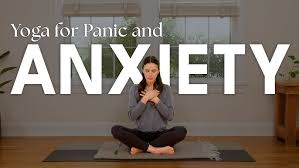
Yoga for Anxiety and Panic
Yoga for Anxiety and Panic helps calm the mind and body through gentle poses, deep breathing, and mindfulness. It reduces stress, promotes relaxation, and supports emotional balance.
Table of Contents
Introduction:
Focus, sleep, and general well-being can all be negatively impacted by anxiety and panic, which can make daily living seem overwhelming. Yoga is a mild yet effective method of naturally controlling these emotions.
Yoga promotes inner peace, eases tension, and calms the nervous system through deep breathing, mindful movement, and relaxation practices. Regular yoga practice can help you feel more centered and in control by bringing balance to your body and mind.
Benefits of Yoga for Anxiety and Panic:
- Relaxation of the Nervous System: By triggering the body’s relaxation response, yoga helps to lower stress hormones and lessen anxiety.
- Improves Emotional Stability: Consistent practice increases emotional awareness and mindfulness, which makes controlling panic triggers simpler.
- Improves Clarity and Focus: Meditation and deep breathing can help calm racing thoughts and increase mental focus.
- Improves Sleep: Yoga’s relaxation practices can enhance the quality of sleep and lessen anxiety-related sleeplessness.
- Reduces Physical Tension: Stress and anxiety are frequently accompanied by tense muscles, which can be released with gentle stretches and exercises.
- Increases Self-Awareness: Yoga promotes a closer mind-body connection, which enables you to identify and gently react to emotional shifts.
- Improves Inner Peace: Yoga creates a long-lasting sensation of peace and emotional equilibrium by fusing breath, movement, and awareness.
Yoga for Anxiety and Panic:
Child’s Pose (Balasana):
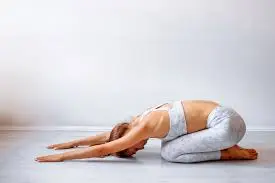
Child’s Pose is a very soothing yoga pose that encourages relaxation and relieves stress in the neck, shoulders, and back. This position promotes slow, steady breathing and calms the mind by gradually folding forward and laying the forehead on the mat.
Stimulating the parasympathetic nervous system and providing a sense of security, comfort, and emotional stability helps lessen anxiety. Regularly engaging in Child’s Pose can reduce stress and offer a tranquil period of silence throughout the day.
Fish Pose (Matsyasana):
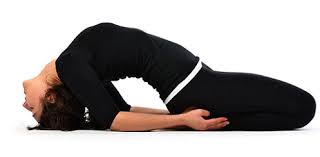
By opening the chest and facilitating better breathing, Fish Pose is a great way to release tension and anxiety. This mild backbend encourages emotional release and openness by stimulating the heart and throat chakras.
It helps soothe the nervous system and lessen fear or restlessness by promoting deep, complete breaths. Regularly performing Fish Pose can enhance posture, increase vitality, and foster a feeling of emotional freedom and lightness.
Head to Toe Pose (Paschimottanasana):
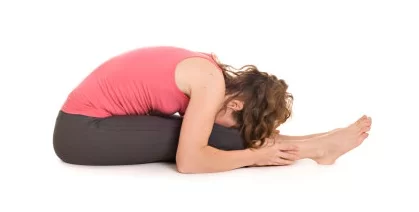
Head to Toe Pose, sometimes referred to as Seated Forward Bend, is a calming yoga pose that eases anxiety and calms the mind. This posture promotes reflection and relaxation while stretching the lower back, hamstrings, and spine by folding forward and reaching toward the toes.
The little compression of the abdomen eases anxiety and facilitates improved digestion. Regular Head to Toe Pose practice calms racing thoughts, lowers stress, and promotes a profound sense of calm and emotional equilibrium.
Corpse Pose (Savasana):
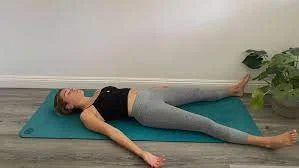
One of the best yoga poses for reducing anxiety and terror is the corpse pose. To relieve stress throughout your body, you must lie flat on your back with your arms and legs relaxed. This stance lowers heart rate, calms the nervous system, and calms the mind.
Savasana encourages inner serenity and profound relaxation by emphasizing slow, steady breathing. This pose can help lower stress, enhance emotional balance, and restore mental clarity when done at the conclusion of a yoga practice or right before bed.
Cat-Cow Pose (Marjaryasana-Bitilasana):
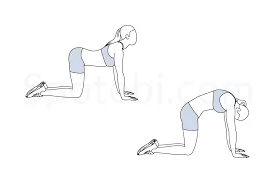
A comfortable transition between two poses, Cat-Cow Pose helps reduce tension in the shoulders, neck, and spine while also soothing the mind. Arching and rounding the back rhythmically increases attentive breathing, which lowers anxiety and fosters calm.
Additionally, this pose increases blood flow and spinal flexibility, which makes you feel more centered and balanced. Regular Cat-Cow Pose practice can improve mood, reduce stress, and foster a calming connection between the body and breath.
Bridge Pose (Setu Bandhasana):
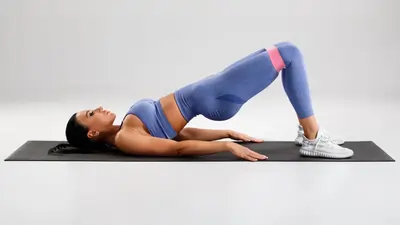
By releasing tension from the chest, neck, and spine, Bridge Pose is a heart-opening yoga pose that can improve mood and lessen anxiety. This position helps relax the nervous system by encouraging deep breathing and improving blood circulation as you raise your hips and open your chest.
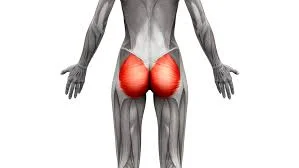
It also relieves tension and exhaustion while strengthening the legs, glutes, and back. Regular Bridge Pose practice can improve mental clarity and lightness, increase energy, and improve emotional stability.
Conclusion:
By balancing the mind, body, and breath, yoga provides a safe and efficient method of overcoming panic and anxiety. Child’s Pose, Fish Pose, and Head to Toe Pose are examples of poses that reduce physical stress, relax the nervous system, and support emotional stability.
Regular yoga practice can improve self-awareness, lower stress levels, and create enduring inner serenity. Anxiety management and mental well-being can be greatly enhanced by even a short daily practice of mindful movement and breathing.
FAQs:
Your Physical Health Is Being Affected by Your Anxiety
More mental stress than physical symptoms may result from occasional anxious thoughts. However, if you suffer from an anxiety illness, you will probably have physical symptoms that drain your energy and make it difficult for you to go about your everyday life.
Genetics, brain chemistry, life experiences, environmental stresses, underlying medical disorders, and medications are some of the complex elements that interact to generate anxiety. Anxiety disorders can emerge as a result of a mix of environmental triggers and genetic susceptibility rather than a single cause.
In conclusion, by lowering anxiety and dulling feelings of “fear-from-pain,” paracetamol effectively reduces stress by making pain less noticeable. Nevertheless, paracetamol is unable to reduce swelling at the implant site.
Feeling tense, anxious, or restless. feeling panicked, doomed, or in danger. having a faster heartbeat. Hyperventilation is quick breathing.
Certain yoga poses, like the tree pose and the child’s pose, can ease stress, promote inner peace, and relax the mind. Before beginning yoga, it’s crucial to speak with a healthcare provider. You should also practice in a secure setting and stop if you have anxiety.
Turmeric and saffron are two spices that may lessen anxiety and despair. Furthermore, some studies indicate that ginger can be useful in lowering anxiety. The Healthy Aging Initiative’s April newsletter initially featured this article.
By using relaxation techniques like deep breathing and meditation, leading a healthy lifestyle with regular exercise and a balanced diet, and making excellent sleep hygiene a priority, you can alleviate anxiety without the need for medication. Furthermore, psychotherapy—specifically, Cognitive Behavioral Therapy (CBT)—is a very successful non-pharmacological treatment that may be administered both individually and in a group.
Anxiety is associated with deficiencies in vitamins D, B12, B6, iron, magnesium, and C. These deficits may affect neurotransmitter production, brain function, and general physical health, all of which may cause or worsen anxiety symptoms. For instance, low iron can decrease oxygen transport to the brain, resulting in irritation and anxiety, while a B vitamin deficit might impact neurotransmitter synthesis.
Early indicators of anxiety include psychological symptoms like restlessness, irritation, and trouble focusing, as well as bodily symptoms like perspiration, shaking, racing heart, and shortness of breath. Physical discomforts like headaches or stomachaches, difficulty sleeping, and chronic concern are other indicators.
Generalized anxiety disorder (GAD) treatment
Talking therapies—typically cognitive behavioral therapy (CBT) with the assistance of a therapist, either alone or in a group—are the primary treatments that a general practitioner may provide. medications that can help relieve anxiety; they are typically SSRIs, a kind of antidepressant.
Data analysis showed reductions in anxiety, physical sensations, and mental constructs associated with panic in both groups, demonstrating the efficacy of yoga and the combination of yoga and cognitive behavioral therapy as treatment modalities.
The best yoga postures for anxiety include restorative poses like Legs-Up-The-Wall, grounding poses like Child’s Pose, and gentle movements like Cat-Cow. In addition to meditation, practicing mindful breathing exercises (pranayama), such as Alternate Nostril Breathing or Box Breathing, can greatly assist in relaxing the mind and lessening anxiety symptoms.
References:
- Cronkleton, E. (2025a, June 18). Yoga for Anxiety: 11 poses to try. Healthline. https://www.healthline.com/health/anxiety/yoga-for-anxiety
- Millard, E. (1970, January 1). 10 yoga poses to practice whenever you’re feeling anxious. https://www.onepeloton.com/blog/yoga-for-anxiety
- Jindal Naturecure Institute. (2022, December 13). Jindal Naturecure Institute | How Yoga and Pranayama can help ease panic attacks – Jindal Naturecure Institute. https://jindalnaturecure.in/jindal-naturecure-institute-how-yoga-and-pranayama-can-help-ease-panic-attacks/
- The Art of Living. (2023, August 9). 9 Yoga Tips to Overcome Anxiety Disorder. Art Of Living (Global). https://www.artofliving.org/yoga/health-and-wellness/yoga-for-anxiety-disorder
- The Minded Institute. (2025, June 23). Yoga for anxiety : How does yoga reduce anxiety? https://themindedinstitute.com/yoga-for-anxiety/