
8 Best Physiotherapy Exercises for Sciatica & Leg Pain
Table of Contents
Introduction:
Extremely painful sciatica and leg pain are frequently caused by irritation or compression of the sciatic nerve. Exercises used in physiotherapy are essential for lowering pain, increasing flexibility, and regaining mobility.
These exercises strengthen the supporting muscles of the legs and spine, stretch tense muscles, and relieve lower back tension. Without the need for drugs or intrusive procedures, they can improve posture, reduce nerve pressure, and encourage long-term rehabilitation with consistent practice.
Benefits of Best Physiotherapy Exercises for Sciatica & Leg Pain:
- Reduces Nerve Compression: By releasing pressure on the sciatic nerve, these movements assist in alleviating intense pain that travels from the lower back to the legs.
- Improves Flexibility: Frequent stretching reduces stiffness and tension by increasing the flexibility of the hamstrings, hips, and back.
- Strengthens Lower Back and Core Muscles: By improving spinal support, strengthening the lower back and core muscles helps to avoid flare-ups in the future.
- Improves Blood Circulation: By increasing blood flow to the affected area, movement aids in healing and lowers inflammation.
- Improves Alignment and Posture: Corrective exercises reduce strain on the lower back and spine by enhancing alignment.
- Prevents Pain Recurrence: Regular physical treatment reduces the likelihood of recurrent sciatica symptoms by preserving muscle flexibility and balance.
- Promotes Natural Recovery: These exercises provide a drug-free, non-invasive, and safe way to improve mobility and manage pain.
Best Physiotherapy Exercises for Sciatica & Leg Pain:
Knee to Chest Stretch:
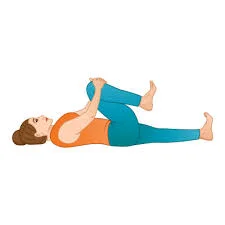
A mild yet effective exercise that helps release tension in the gluteal and lower back muscles is the knee-to-chest stretch. It relieves pressure on the sciatic nerve by extending the muscles surrounding the lumbar spine. This stretch is done by lying on your back with your feet flat on the ground and your knees bent.
While maintaining the opposite leg relaxed, slowly move one knee closer to your chest and hold it with both hands for 20 to 30 seconds. Your hips and lower back should be able to stretch comfortably. This exercise increases blood flow, increases flexibility, and relieves sciatica-related lower back and leg pain.
Cat-Cow Stretch:
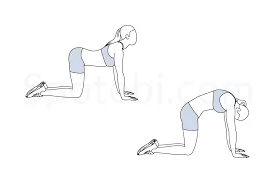
The dynamic cat-cow stretch relieves lower back strain and increases spinal flexibility and mobility. It encourages spinal alignment, eases stiffness, and gently stretches the muscles that surround the sciatic nerve. Put yourself on your hands and knees in a tabletop position to complete this exercise.
As you take a breath, raise your head and tailbone toward the ceiling while arching your back (cow position). Tuck your chin into your chest (cat position) and round your spine upward as you release the breath. For a few breaths, repeat this motion evenly and gently. This rhythmic stretch improves posture, improves circulation, and relieves sciatica-related back and leg pain.
Piriformis Stretch:
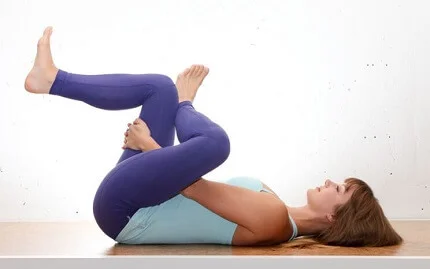
Because the piriformis muscle frequently presses against the sciatic nerve when it is tight, the piriformis stretch is one of the best exercises for treating sciatica and leg pain. This muscle can be stretched to increase hip flexibility, ease pain, and lessen nerve compression. Bend both knees while lying on your back to complete the stretch.
Make a figure-four formation by crossing one ankle over the opposing knee. Pull the uncrossed leg gently toward your chest until the crossed leg’s buttocks start to stretch. After 20 to 30 seconds of holding, switch sides. This workout reduces tension, works the deep hip muscles, and encourages more fluid, pain-free mobility.
Hamstring Stretch:
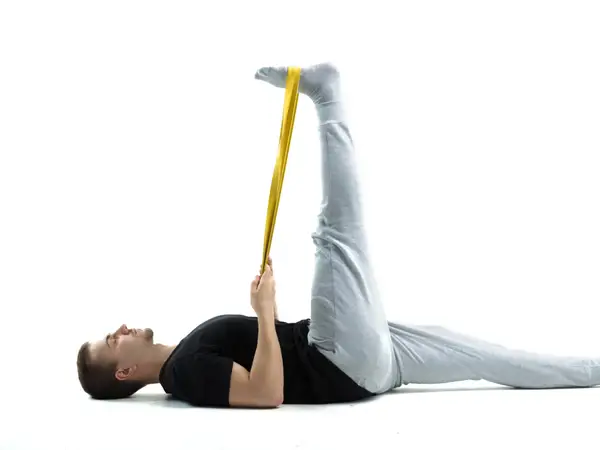
The hamstring stretch relieves tension in the muscles at the back of your thighs, which frequently worsen lower back pain and sciatica. Stress on the lower spine and sciatic nerve is increased by tight hamstrings pulling on the pelvis.
Sitting on the floor, extend one leg straight and bend the other, placing the sole of your foot against your inner thigh, is how you do this stretch. Maintaining a straight back, slowly lean forward from your hips toward the outstretched leg until you feel a slight stretch down the back of your thigh. This stretch promotes better posture and mobility, increases flexibility, and eases nerve stress.
Glute Bridge:
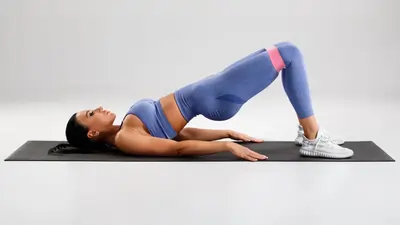
A great strengthening exercise for the hamstrings, lower back, and glutes is the glute bridge. It enhances general pelvic alignment, relieves strain on the sciatic nerve, and stabilizes the spine. This exercise involves lying on your back with your feet flat on the floor, hip-width apart, and your knees bent.
As you raise your hips off the floor, contract your core and tighten your glutes to create a straight line from your shoulders to your knees. After a few seconds of holding the pose, gradually bring your hips back down. Do this ten to fifteen times. This exercise promotes pain-free movement in the lower back and legs, strengthens the lower body, and maintains spinal stability.
Bird Dog Exercise:
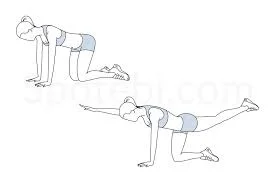
The bird dog exercise is a strong core stability exercise that enhances balance and coordination while strengthening the glutes, lower back, and abdominal muscles. It lessens strain on the sciatic nerve, supports the spine, and stops recurrent back pain. Start this exercise on your hands and knees on a tabletop. Maintaining a straight back and level hips, simultaneously extend your right arm forward and your left leg backward.
After a few seconds of holding, carefully return to the beginning position and switch sides. On each side, repeat 10–12 times. This exercise is perfect for relieving sciatica since it improves spinal alignment, strengthens the core, and encourages improved control over body motions.
Cobra Pose:

By stretching the front of the body and relieving pressure on the spinal discs, the cobra pose, also called Bhujangasana, is a mild back extension practice that helps treat sciatica. It enhances posture, increases spinal flexibility, and fortifies the lower back muscles. This pose requires you to lie face down on the ground with your legs straight out and your hands beneath your shoulders.
Maintaining a relaxed pelvis and knees, gently press through your palms to raise your chest off the ground. After 15 to 30 seconds of holding the position, slowly descend. Repeat several times. This exercise relieves lower back and leg pain, improves circulation, and lessens nerve compression.
Supine Twists:
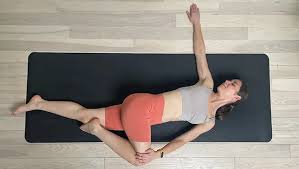
A soothing stretch that relieves stress in the lower back, hips, and spine—areas frequently impacted by sciatica—is the supine twist. It helps lessen strain on the sciatic nerve by promoting spinal alignment, increasing flexibility, and gently stretching the spinal muscles. Stretch your arms out to the sides in a T shape while lying on your back.
With your shoulders flat on the ground, bend your knees and progressively lower them to one side. After holding the pose for 20 to 30 seconds and experiencing a slight stretch in your hips and back, switch sides. This exercise promotes general spinal health, improves mobility, and eases tense muscles.
Conclusion:
One of the best natural methods to lessen pain, increase flexibility, and regain strength is through physiotherapy exercises for sciatica and leg pain. You can improve posture, reduce nerve strain, and avoid future flare-ups by routinely performing these exercises, which include the piriformis stretch, glute bridge, knee to chest stretch, and cobra pose.
To get the most out of each exercise, be consistent and use good form. These physical therapy exercises can eventually improve your range of motion, lessen pain, and restore your self-assurance in your day-to-day tasks.
FAQs:
Walking, swimming, and yoga are low-impact activities that enhance blood circulation and general flexibility to support physiotherapy treatments.
If you suffer from numbness, weakness, loss of control over your bowels or bladder, or if your pain doesn’t go away after more than six weeks of regular physical therapy, you should see a doctor.
In general, yes, but the intensity and adjustments should be based on your age, degree of pain, and degree of flexibility. A physiotherapist should always be consulted before beginning.
Indeed. Frequent stretching and strengthening exercises avoid nerve compression, stabilize the spine, and improve posture, all of which lower the chance of subsequent flare-ups.
The majority of sciatica cure exercises, such as the glute bridge, piriformis stretch, and knee-to-chest stretch, don’t require any special equipment. For comfort, a yoga mat or towel will do.
After two to four weeks of consistent physiotherapy exercise, the majority of people experience improvement. However, the intensity and origin of your sciatica will determine how long it takes to recover.
The sciatic nerve, which travels from your lower back to your hips, buttocks, and down each leg, can cause sciatica. It typically happens when a herniated disc, bone spur, or tense muscles compress the nerve.
Stop right away if the pain is acute, shooting, or getting worse. Exercises should only begin when pain is tolerable and under a physiotherapist’s supervision.
Do these exercises four to five times a week for optimal effects. To improve mobility and lessen nerve pain, consistency is essential.
Indeed. Physiotherapy exercises alleviate pain and prevent recurrence by strengthening supporting muscles, increasing spinal alignment, decreasing pressure on the sciatic nerve, and improving flexibility.
References:
- Heitz, D. (2024, February 2). 9 stretches for sciatica pain relief. Healthline. https://www.healthline.com/health/back-pain/sciatic-stretches
- Fletcher, J. (2024, August 28). 8 sciatica stretches for pain relief. https://www.medicalnewstoday.com/articles/317920
- Castillano, G. (2023, March 24). 10 Physical Therapy Activities for Sciatica Pain | RCH. Ringgold County Hospital. https://www.rchmtayr.org/2022/10/21/10-physical-therapy-activities-for-sciatica-pain/
- WebMD Editorial Contributor. (2024, June 2). Sciatica: Exercises for pain relief. WebMD. https://www.webmd.com/pain-management/sciatica-exercises-pain-relief
- Sciatica Physiotherapy: Treatments & Exercises to Reduce Pain – Thrive Physio Plus. (2025, August 27). Thrive Physio Plus. https://www.thrivephysioplus.com.au/services/sciatica-treatment/