Do These 9 Exercises to Increase Mitochondria
Table of Contents
Introduction:
Because they generate the energy your body needs to move, think, and function effectively, mitochondria are frequently referred to as the powerhouses of the cells. Your endurance, metabolism, and general health all greatly increase when your mitochondria are robust and plentiful.
One of the best strategies to increase mitochondrial synthesis and efficiency is regular exercise. We’ll look at nine effective exercises in this tutorial that will help you build more mitochondria, improve your endurance, and maintain cellular energy in your body.
Benefits of Exercise to Increase Mitochondria:
Exercises that increase mitochondrial activity regularly have several advantages for your physical and mental well-being. These workouts strengthen the body’s capacity to generate energy effectively, which boosts performance and endurance. Stronger mitochondria assist quicker recovery, lessen tiredness, and improve metabolism—all of which help control weight.
They also have a significant impact on preventing chronic illnesses like diabetes and heart disease, slowing down aging, and enhancing cognitive function. To put it briefly, increasing your mitochondria will increase your general power, lifespan, and vitality.
Exercises to Increase Mitochondria:
Jumping Jacks:
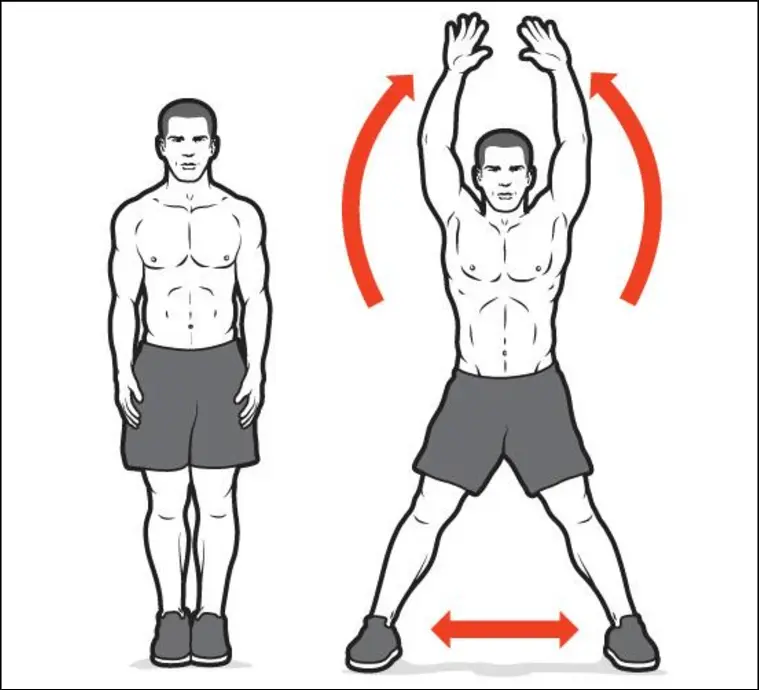
By raising heart rate and oxygen delivery to muscles, jumping jacks are a straightforward but effective full-body workout that promotes mitochondrial growth. By using several muscular groups at once, this aerobic exercise increases energy generation and cardiovascular endurance.
Jumping jacks are a great way to maintain mitochondrial health and general fitness since they improve blood circulation, increase metabolism, and develop the body’s capacity to produce energy at the cellular level.
Bicycle Crunches:
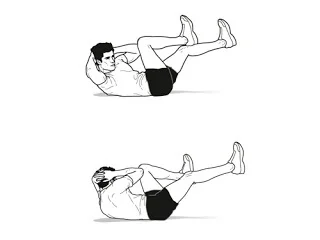
Because they work several muscle groups simultaneously, bicycle crunches are a great way to improve your core and increase mitochondrial activity. The constant twisting motion raises the need for oxygen and encourages the cells to produce more energy.
This enhances endurance and metabolic efficiency in addition to toning the abdominal muscles. Frequent bicycle crunches improve posture, strengthen your core, and help your body produce more energy by improving mitochondrial activity.
Box Jumps:

Box jumps are a high-intensity plyometric activity that requires your muscles to produce brief bursts of energy, which effectively boosts mitochondrial growth. This powerful exercise increases heart rate and oxygen consumption while working your legs, glutes, and core.
Regularly performing box jumps increases your body’s capacity to efficiently manufacture energy at the cellular level while also improving your strength, coordination, and endurance. This eventually contributes to the development of stronger muscles, increased endurance, and a more potent metabolism.
Dead Bug:

By using deep abdominal muscles and increasing general stability, the dead bug exercise is a controlled core workout that increases mitochondrial activity. It encourages the body to consume oxygen and produce energy efficiently while testing balance and coordination.
The dead bug protects the spine, strengthens the core, and enhances posture by simultaneously engaging several muscle groups. Frequent engagement in this activity promotes improved cellular energy efficiency, endurance, and metabolic function.
Sun Salutation:

Sun Salutation, also known as Surya Namaskar, is a dynamic series of yoga positions that combines movement, breath control, and mindfulness to successfully increase mitochondrial function. This flowing practice improves blood circulation, oxygen flow, and cellular energy production.
Frequent exercise stimulates the body’s natural energy systems while strengthening muscles, increasing flexibility, and promoting cardiovascular health. Daily Sun Salutations support balance, vitality, and general mitochondrial efficiency in addition to boosting endurance and metabolism.
Burpees:

Burpees are a potent full-body workout that combines strength, cardio, and endurance training into a single action to quickly boost mitochondrial activity. This high-intensity workout stimulates the creation of energy by working major muscle groups, increasing heart rate, and optimizing oxygen delivery to cells.
Burpees assist in increasing metabolism, stamina, and overall athletic performance. Burpees efficiently enhance the mitochondria by taxing the muscles and cardiovascular system, resulting in increased endurance and energy efficiency.
Walking Lunges:

Walking lunges are a great lower-body workout that works big muscles like the quadriceps, hamstrings, and glutes, and improves mitochondrial function. This exercise increases oxygen flow and cellular energy generation while enhancing muscle endurance, balance, and coordination.
Regularly performing walking lunges promotes improved cellular health, increased metabolism, and strength. Over time, this exercise improves posture, increases overall mitochondrial efficiency, and increases stamina.
Mountain Climbers:

Mountain climbers combine aerobic and strength training to create a dynamic, full-body workout that effectively promotes mitochondrial growth. This quick exercise increases oxygen intake and energy generation by using the core, shoulders, legs, and cardiovascular system.
Regular mountain climbing increases metabolic efficiency, burns fat, and increases endurance. This exercise improves mitochondrial function by taxing the heart and muscles, which increases energy levels overall, improves stamina, and speeds up recovery.
Jump Rope:

By raising oxygen demand and using a variety of muscle groups, jump rope is a high-energy cardiovascular workout that efficiently increases mitochondrial activity. The repetitive jumping motion improves the cells’ overall energy generation, endurance, and coordination.
Frequent jump rope exercises enhance metabolism, strengthen the heart, and encourage effective calorie burning. It gradually raises mitochondrial density, which improves endurance, speeds up recuperation, and boosts general vitality.
Conclusion:
One of the best methods to increase your energy, stamina, and general health is to incorporate exercises that increase mitochondrial activity. While workouts like dead bugs and walking lunges increase strength and stability, movements like burpees, jumping jacks, and Sun Salutations encourage your cells to produce more energy.
You may improve your body’s capacity to produce energy effectively, recover more quickly, and maintain an active lifestyle by regularly engaging in these nine activities. You will be stronger, healthier, and more energetic if your mitochondria are stronger.
FAQs:
Sunlight’s 850 nm band of light clearly penetrates the body profoundly, and it is believed that these wavelengths enhance mitochondrial function, which has an impact on physiological capabilities.
A naturally occurring substance found in citrus fruits, including oranges, lemons, and grapefruits, hesperidin is crucial for preserving the health of mitochondria. Hesperidin improves mitochondrial activity by increasing the expression of genes related to energy production.
Wahls advises avoiding gluten-containing meals, dairy products, eggs, nitrate-containing processed meats, and anything sweetened with sugar for both general and mitochondrial health.
Reducing oxidative stress and giving the body the nutrients it needs for cell renewal and energy production are the main goals of a mitochondria-repair diet. Eating colorful fruits and vegetables, lean proteins, healthy fats, and antioxidants while avoiding processed foods are essential component. Mitochondrial activity has been demonstrated to improve from diets like the Mediterranean diet and those that include periodic fasting.
Sprinting and high-intensity interval training (HIIT) both activate AMPK, a crucial regulator of mitochondrial activity. This improves the operation of the mitochondria. Additionally, strength training against resistance improves mitochondrial health and well-being and boosts biogenesis.
Cardiovascular workouts like walking, running, or cycling, as well as weight training and yoga, which enhance circulation and stamina, are the best ways to get energy. To reap the long-term benefits of greater energy, you must be consistent and pick a pleasurable activity that you can continue.
Indeed, research indicates a reciprocal relationship between sleep disorders and mitochondrial dysfunction, with sleep deprivation affecting mitochondrial biogenesis and function, and mitochondrial abnormalities frequently linked to sleep disorders and disruptions.
However, cells known as pacemaker cells can cause contractions even in the absence of a nerve input. Because cardiac muscle has many mitochondria, myoglobin, and a healthy blood supply that enables continuous aerobic metabolism, it is extremely resistant to fatigue.
Aerobic exercise
Since prolonged endurance exercise improves mitochondrial number/density and intrinsic mitochondrial function, aerobic exercise has long been recognized as a powerful regulator of skeletal muscle oxidative capacity.
You may have a variety of symptoms if your mitochondria aren’t operating at their best, including: Chronic fatigue: Tiredness that doesn’t go away. Diabetes and thyroid issues are examples of endocrine illnesses. Digestive issues include nausea, vomiting, and diarrhea.
Indeed, evidence indicates that moderate coffee drinking helps preserve heart cells and enhance mitochondrial activity, lowering the risk of heart disease and promoting healing following cardiac injury.
According to research, fasting may strengthen these mitochondrial biogenesis mediators and promote energy balance and mitochondrial function.
Mitochondrial Density
There is an absolute mitochondrial density that each person can reach, typically after 8–12 weeks of training, in contrast to mitochondrial volume, which can be expanded indefinitely.
Frequent exercise is a very powerful strategy to improve your mitochondria’s performance. It is advised to perform vigorous exercise twice a week in addition to mild activity on the other days for the best results.
The energy engines of our cells, the mitochondria, are the primary cause of poor metabolic health. Better endurance, more energy, and improved metabolic health result from aerobic exercise’s improvement of mitochondrial activity.
References:
- Best exercise to increase mitochondria | Boost your cellular health. (2025, January 18). Mécène Market. https://mecenemarket.com/blogs/journal/best-exercise-to-increase-mitochondria?srsltid=AfmBOoptEIrXNteb8ZxRnFoqBYpghkekRqFvpOZ5W2Hpp9gbC3Mtle-D
- Science, J. (2025, April 29). 5 Daily practices to support mitochondrial health. Jinfiniti Precision Medicine. https://www.jinfiniti.com/practices-support-healthy-mitochondria/?srsltid=AfmBOoodCyj4Og4Y_GXXJXVknd7d0TL4KPjk4c8gHKH0gAJyHEDQ-XI7
- Hyman, M., MD. (2025, September 1). Two workouts that target the root cause of almost EVERY disease. Mark Hyman, MD. https://drhyman.com/blogs/content/two-workouts-that-target-the-root-cause-of-almost-every-disease
- Doe, V. (2024, January 7). Mitochondria and exercise: the key to revitalizing aging muscles – Vicki Doe Fitness. Vicki Doe Fitness. https://vickidoefitness.com/mitochondria-and-exercise-the-key-to-revitalizing-aging-muscles/