Top 9 Beginner-Friendly Exercises for a Healthy Body
Table of Contents
Introduction:
It doesn’t have to be difficult or nerve-racking to begin your fitness journey. Regardless of fitness level, anyone may increase strength, flexibility, and general health with the correct workouts.
These easy, effective exercises are perfect for beginners and don’t require any extra equipment to perform at home. These exercises are a great way to start your journey toward a healthier life, whether your objective is to tone your body, boost stamina, or maintain an active lifestyle.
Benefits of Beginner-Friendly Exercises for a Healthy Body:
Exercises suitable for beginners have many advantages for both physical and mental well-being. They lessen fatigue and stiffness while increasing muscle strength, flexibility, and balance. Frequent exercise supports healthy joints, improves blood circulation, and encourages improved posture.
Additionally, these workouts assist in maintaining a healthy weight, enhance mood, and increase energy levels. Most importantly, they build a strong foundation for long-term fitness, making it easier to progress to more advanced workouts safely and confidently.
Beginner-Friendly Exercises for a Healthy Body:
Tree Pose:
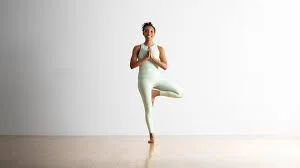
Vrikshasana, also known as Tree Pose, is a straightforward but effective yoga pose that improves focus, balance, and stability. You can strengthen your legs, ankles, and core muscles by standing on one leg and placing the other foot on the inner thigh or calf.
In addition to enhancing posture and focus, this pose fosters serenity and grounding. Tree Pose is a great workout for beginners to develop both physical and mental steadiness because it helps improve body awareness and coordination.
Side Bends:
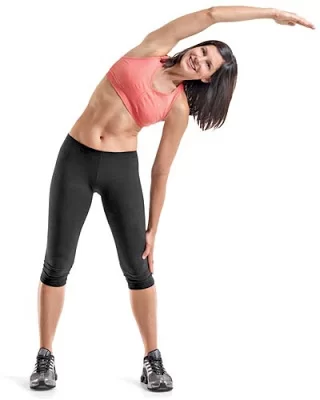
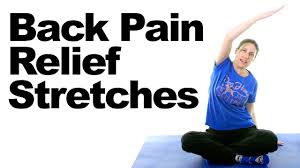
Side bends are an excellent exercise for stretching and strengthening the muscles along your waist and lower back. You can strengthen the oblique muscles, increase spinal flexibility, and improve core stability by gently bending your torso to each side. This practice helps reduce tension from sitting for long periods and improves posture. Frequent side bend practice improves overall body mobility and balance while supporting a toned midsection.
Straight Leg Raises:
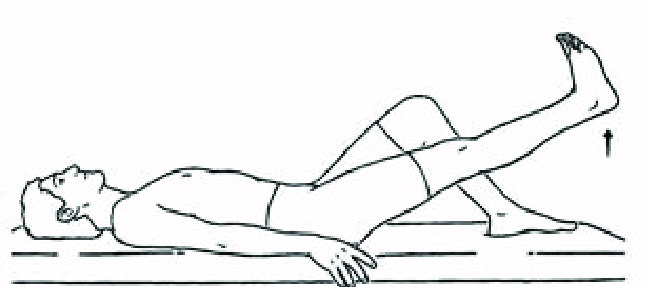
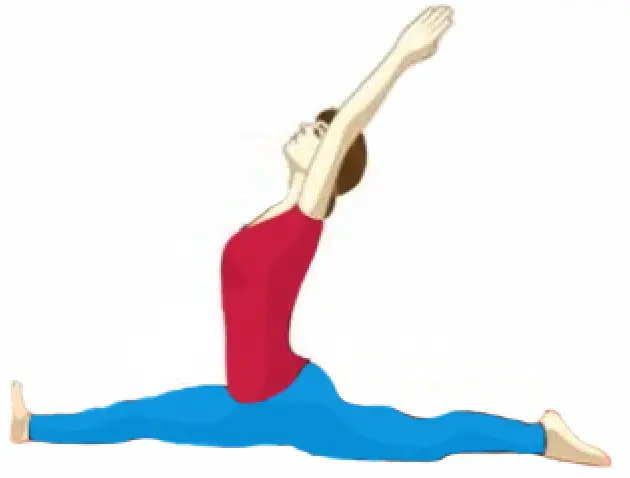
Straight leg raises are a quick and efficient way to strengthen your thighs, hip flexors, and lower abdominal muscles. You can strengthen your lower body and core by lying flat on your back and slowly raising one or both legs without bending your knees.
Because it increases strength without placing undue strain on the joints, this exercise is particularly helpful for beginners and those recuperating from back or knee problems. Straight leg lifts improve muscle tone and promote improved control and coordination in everyday motions.
Squats:
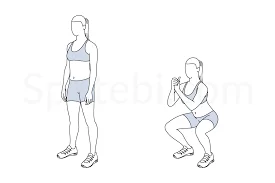
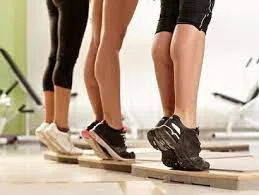
Squats are one of the most efficient full-body workouts for increasing lower-body strength and stability. The thighs, hips, glutes, and core muscles are the main areas they target. You can increase joint flexibility and balance by lowering your body as if you were sitting on an invisible chair and then standing back up.
Additionally, squats improve posture, increase metabolism, and develop the muscles required for daily tasks like lifting, walking, and climbing stairs. Frequent exercise encourages general functional fitness and helps tone the legs.
Wall Push-Ups:
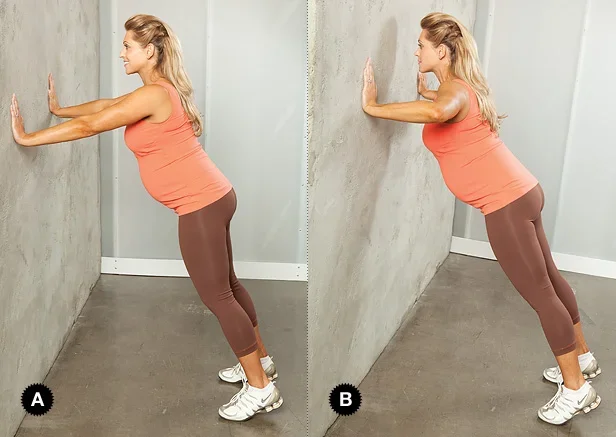
A fantastic, beginner-friendly take on the classic push-up, wall push-ups help strengthen the upper body without overtaxing the wrists or shoulders. You may work your arms, shoulders, chest, and core muscles by taking a few steps away from a wall and pushing your body in that direction.
This exercise strengthens the stabilizing muscles around the shoulders, improves posture, and increases muscle tone. Regular practice of wall push-ups trains your body for more advanced push-up varieties and encourages higher upper-body endurance.
Marching in Place:
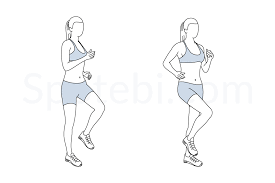
A quick and efficient workout that enhances leg strength, coordination, and cardiovascular health is marching in place. By elevating your knees alternately while swinging your arms, you stimulate important muscle groups, boost blood circulation, and slightly elevate your heart rate.
For beginners in particular, this low-impact exercise is ideal for warming up, increasing mobility, and improving balance. Marching in place on a regular basis keeps the body active and stimulated, improves stamina, and promotes healthy joints.
Arm Circles:
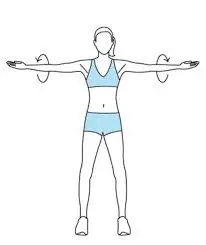
Arm circles are a great way to warm up and release tension in your arms, shoulders, and upper back. By rotating your arms in little or large circles, you improve shoulder flexibility, boost blood flow, and promote joint mobility.
This easy exercise also improves posture and strengthens the upper arms and deltoids. Arm circles can help prevent shoulder problems, ease stiffness, and get your body ready for more strenuous upper-body exercises.
Glute Bridge:
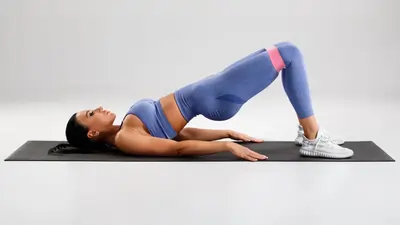
One of the best exercises for strengthening the hamstrings, lower back, and glutes is the glute bridge. By resting on your back with knees bent and pushing your hips toward the ceiling, you engage your core and stabilize the spine.
This exercise increases hip mobility, lessens lower back pain, and helps with posture. Glute bridges also work the pelvic muscles, making them beneficial for general core stability and lower body strength. Frequent practice encourages a stronger, more balanced body and improves movement control.
Neck Rotation:
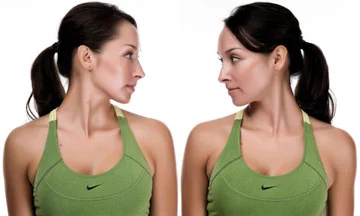
A mild and useful exercise for releasing tension and stiffness in the neck and upper shoulders is neck rotation. You can promote blood flow, improve neck flexibility, and lessen muscle tension caused by bad posture or prolonged sitting by slowly rotating your head from side to side.
This easy exercise reduces neck pain, increases mobility, and encourages relaxation. Frequent neck rotation practice promotes improved posture and keeps the cervical spine healthy and pain-free.
Conclusion:
A quick and easy method to develop a stronger, healthier physique is to incorporate these beginner-friendly workouts into your everyday regimen. Every exercise enhances flexibility, balance, and general fitness without the need for specialized tools or strenuous effort.
These exercises can increase energy, avoid stiffness, and promote long-term well-being if done consistently and correctly. Small steps now can result in long-lasting health benefits tomorrow, so start slowly, pay attention to your body, and gradually raise your effort.
FAQs:
It should come as no surprise that walking is an excellent way to work out. But did you realize that walking more quickly is preferable? According to studies, individuals who walk more quickly—roughly 30 minutes a day—have a much lower risk of heart disease, cancer, and death than those who walk more slowly on average.
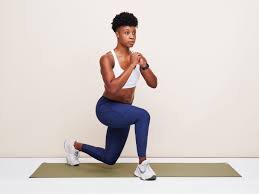
Low-impact exercises like cycling, swimming, and utilizing an elliptical machine are good substitutes for walking, as are at-home workouts like high-knees, lunges, squats, and jumping jacks. Try dancing, jumping rope, or stair climbing for a more strenuous choice.
Health benefits of swimming
Regardless of your age or level of fitness, it’s perfect if you want to keep healthy and be more active. Frequent swimming has been shown to lower your risk of developing major conditions like diabetes and heart disease. Compared to other high-impact exercises, working out in the water puts less strain on the joints.
The squat is sometimes referred to as the “king of exercises” since it is a very useful exercise that works the quadriceps, hamstrings, glutes, and core, among other muscular groups. Additionally, some sources claim that the deadlift is the “king of all exercises” because it improves posture by strengthening the core and straightening the spine. Squats and deadlifts are often mentioned as fundamental and effective exercises, yet the ideal workout may ultimately rely on personal objectives and fitness levels.
Exercises that mix aerobic, strength, flexibility, and balance are the greatest for general health. Examples include strength training exercises like squats, push-ups, and lunges; flexibility and balance exercises like yoga, tai chi, and stretching; and aerobic exercises like brisk walking, swimming, and cycling. Combining several types of exercise delivers the most comprehensive advantages for your heart, muscles, bones, and general fitness.
Squats, push-ups, lunges, and planks are among the most popular exercises in the top ten, which combine strength and cardio activities to target key muscle regions. Deadlifts, pull-ups, dumbbell rows, burpees, and running/walking are additional beneficial exercises. For general health, concentrate on a regimen that includes both enjoyable activities and a balance of various workouts.
Simple cardio exercises like walking, stationary cycling, or rowing machines are ideal for beginners. Start slowly, taking five minutes at a time. After that, progressively increase the duration to 20 to 30 minutes, doing these exercises two to three times a week.
References:
- Davis, N. (2025, May 1). 30 moves to make the most of your At-Home workout. Healthline. https://www.healthline.com/health/fitness-exercise/at-home-workouts
- Svetness. (2024, November 14). 10 best At-Home Exercises for Beginners. https://www.svetness.com/blogs/10-Best-At-Home-Exercises-for-Beginners
- Clifton, J. A., & Clifton, J. A. (2025, October 3). Top 10 exercises for beginners at YouFit. YouFit Gyms. https://youfit.com/blog/top-10-exercises-for-beginners-at-youfit/
- Squats. (n.d.). [Video]. Hingehealth. https://www.hingehealth.com/resources/articles/how-to-exercise-at-home/
- Davis, N. (2025a, February 11). 10 exercises to tone every inch of your body. Healthline. https://www.healthline.com/health/fitness-exercise/10-best-exercises-everyday