5 Best Exercises to Strengthen Your Quadriceps
Table of Contents
Introduction:
Strengthening your quadriceps is essential for improving leg power, knee stability, and overall lower body strength. These exercises target the front thigh muscles, helping you perform daily activities with ease and enhancing athletic performance.
Incorporating specific exercises into your regimen improves mobility, lowers the chance of injury, promotes improved posture, and increases muscular strength. These are the top 5 exercises you can do at home or at the gym to efficiently strengthen your quadriceps.
Benefits of 5 Best Exercises to Strengthen Your Quadriceps:
- Improved Knee Stability: Having strong quadriceps lowers the chance of problems like sprains or ligament damage by stabilizing the knee joint.
- Improved Athletic Performance: Strong quadriceps help athletes run, jump, and squat more effectively, which improves overall athletic performance.
- Increased Flexibility and Mobility: By strengthening the quadriceps, one may increase leg mobility, which facilitates everyday tasks like rising from a seated posture or ascending stairs.
- Decreased Risk of Knee Pain: By strengthening the quadriceps, you can lessen the strain on your knees and help avoid or lessen persistent knee pain.
- Improved Posture and Balance: The hips and lower back are supported by strong quadriceps, which improves posture, balance, and body alignment in general.
- Support for Weight-Bearing Activities: Having strong quadriceps makes daily duties easier, especially while trekking, lifting heavy objects, or standing for extended periods of time.
5 Best Exercises to Strengthen Your Quadriceps Video:
5 Best Exercises to Strengthen Your Quadriceps:
Squats:
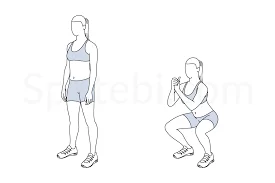
A basic exercise for building stronger quadriceps, glutes, and hamstrings is the squat. You may strengthen your quadriceps and increase the stability of your lower body by bending your knees and lowering your hips as though you were reclining on a chair.
Frequent squatting improves muscular endurance, maintains healthy knee alignment, and builds functional strength, which makes daily tasks like rising from a seated posture, climbing stairs, and lifting goods much simpler. Maintaining proper form is crucial to maximizing benefits and avoiding injury. This includes maintaining the back straight, the chest high, and the knees tracking over the toes.
Lunges:
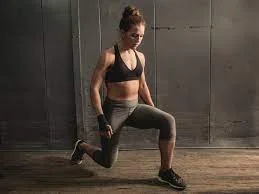
The quadriceps, glutes, and hamstrings may all be worked out with lunges, which also help with balance and coordination. Stepping forward and bringing the rear knee down to the floor puts a lot of strain on the quadriceps, which aids in definition and strength development.
Lunges are especially useful since they replicate common motions like walking, climbing stairs, and bending. Maintaining an upright posture, putting the front knee over the ankle, and using the core assures optimal benefits and lowers the danger of straining the knee or lower back.
Leg Press:
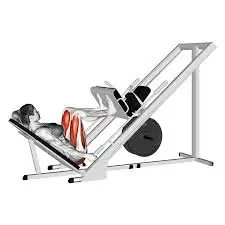
A great exercise for developing and isolating the quadriceps, as well as the glutes and hamstrings, is the leg press. You can regulate resistance and range of motion while developing considerable lower-body strength by using your legs to push a weighted platform away from your body. For people who want to strengthen their muscles or stabilize their knees without overtaxing their backs, this exercise is very helpful.
For maximum efficacy and injury prevention, it is crucial to maintain appropriate form, which includes keeping the knees tracking over the toes, keeping the feet shoulder-width apart, and avoiding locking the knees at the top.
Step-Ups:
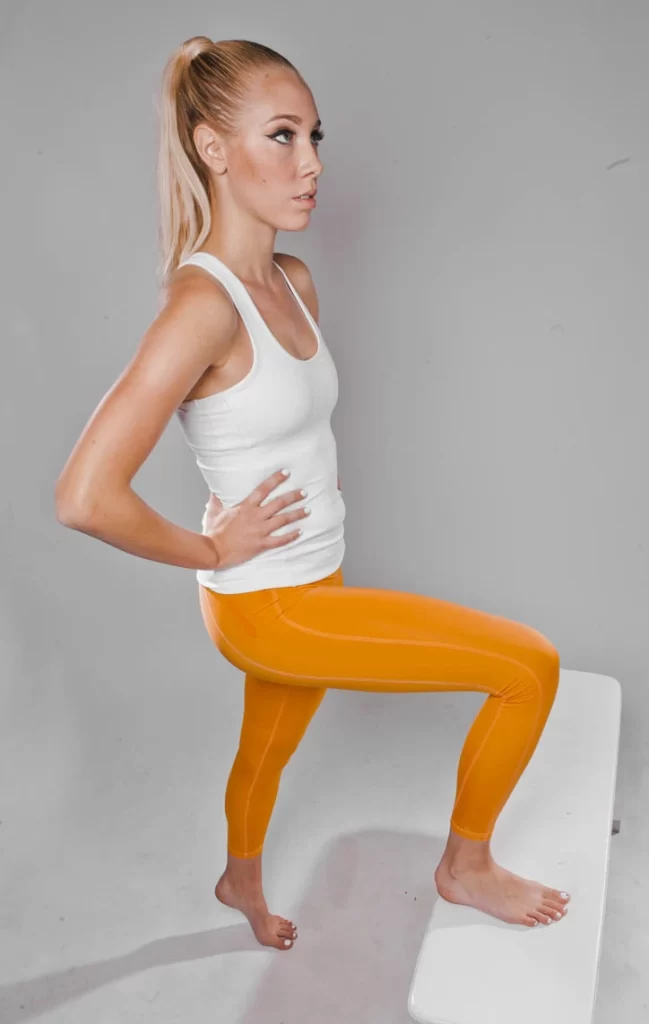
Step-ups are a useful exercise that enhances balance and coordination while targeting the quadriceps, glutes, and hamstrings. You may simulate real-life activities like climbing stairs by using your quadriceps to increase your body weight by driving through the leading leg while standing on an elevated platform or bench. Step-ups make everyday tasks easier and minimize the chance of falls by improving lower-body strength, stability, and endurance.
The key to optimizing benefits and minimizing injury is proper technique, which includes maintaining the body erect, stepping completely onto the platform, and avoiding pushing off with the trailing leg.
Leg Extension:
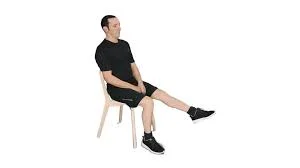
Leg extensions are perfect for developing strength and definition in the front of the thighs since they are an isolated exercise that targets the quadriceps, particularly. Using a leg extension machine to stretch the knees against resistance ensures that the quadriceps are used during the whole exercise.
This exercise promotes improved performance in other lower-body exercises, increases knee stability, and can help with knee injury recovery. To optimize advantages and avoid pain, it is crucial to maintain appropriate form, which includes controlled movement, avoiding locking the knees at the top, and maintaining the back firmly on the seat.
Conclusion:
For increased mobility, knee stability, and general lower-body strength, quadriceps strengthening is crucial. Exercises that assist in building muscle, avoiding injuries, and facilitating daily motions include squats, lunges, leg presses, step-ups, and leg extensions.
Regular practice with good form promotes long-term joint health and posture in addition to improving performance in daily activities and sports. By concentrating on these essential exercises, you may build legs that are powerful, useful, and balanced.
FAQs
Actively extending (straightening) the knee joint might be challenging. Maintaining the stability of a slightly bent (flexed) knee joint under load may also be challenging. Activity involving the quadriceps muscle group may cause some pain.
This technique entails raising the injured limb above the level of the heart, using compression to support the damaged region, relaxing the injured muscle, and administering ice to minimize swelling.
Recovery times for quadriceps injuries vary greatly depending on the kind of injury; moderate strains can take a few days, while severe strains can take months, and full rips of the quadriceps tendon can take up to a year. Mild strains recover in 1-2 weeks, moderate strains take a few weeks to a couple of months, and severe or total rips require longer-term rehabilitation, which sometimes includes physical therapy and occasionally surgery. After the pain subsides, muscular strength returns, and the person can move their leg through its whole range of motion without experiencing any pain, they have fully recovered.
Start with isometric exercises like Quad Sets, which include contracting and holding your quadriceps, to develop them. Then, go on to Short Arc Quads, which involve lifting your heels with a minor bend, and Long Arc Quads, which involve straightening your leg at a 90-degree angle. As you gain strength and comfort, progressively add controlled exercises like Stair Steps with a little stool and Air Squats, which emphasize the hip hinge and only go as low as pain-free. Exercises should always be done gently and carefully.
The goblet squat is probably something you’ve tried, but we have a small technique for you that makes it one of the greatest quad workouts. To convert them into a heel-elevated goblet squat, all you need is a plate. We promise that this exercise is great for building large quadriceps.
Several things, such as an accident, muscular imbalances, age, or underlying medical diseases, including arthritis or neurological disorders, can cause quadricep weakness.
Many people refer to the squat as “the king of all exercises” since it’s a basic, useful exercise that works practically every muscle in the body, but particularly the legs and core. This complex, multi-joint action is particularly beneficial for enhancing general physical fitness and carrying out daily duties since it helps develop muscle, enhances strength, stabilizes the body, and burns a lot of calories.
The Rest, Ice, Compress, and Elevate (RICE) technique is typically used to treat mild to severe quadriceps strains. When treating a quadriceps strain, the RICE protocol advises you to: Rest your affected leg.
Many people refer to the squat as “the king of all exercises” since it’s a basic, useful exercise that works practically every muscle in the body, but particularly the legs and core. This complex, multi-joint action is particularly beneficial for enhancing general physical fitness and carrying out daily duties since it helps develop muscle, enhances strength, stabilizes the body, and burns a lot of calories.
The Rest, Ice, Compress, and Elevate (RICE) technique is typically used to treat mild to severe quadriceps strains. When treating a quadriceps strain, the RICE protocol advises you to: Rest your affected leg.
The quadriceps muscle not only moves these joints but also stabilizes the knee joint while it moves. Weak quadriceps muscles impair joint stability during movement, raising the possibility of knee joint injury.
Since the quadriceps are the main muscles utilized to produce power during the pedaling action, cycling is a great way to strengthen them. Your thighs get stronger and more toned as a result of the continuous contraction of your quadriceps during cycling, which also improves muscular definition, strength, and endurance.
Several factors, including genetics, food, and the frequency of exercise, can affect how long it takes for the quadriceps to grow in different people. It often takes a few weeks to a few months to observe noticeable gains in muscle growth with consistent training.
Individual differences in the time it takes for the quadriceps to grow can be attributed to a variety of variables, including diet, exercise consistency, and heredity. With regular exercise, it usually takes a few weeks to a few months to see visible increases in muscle growth.
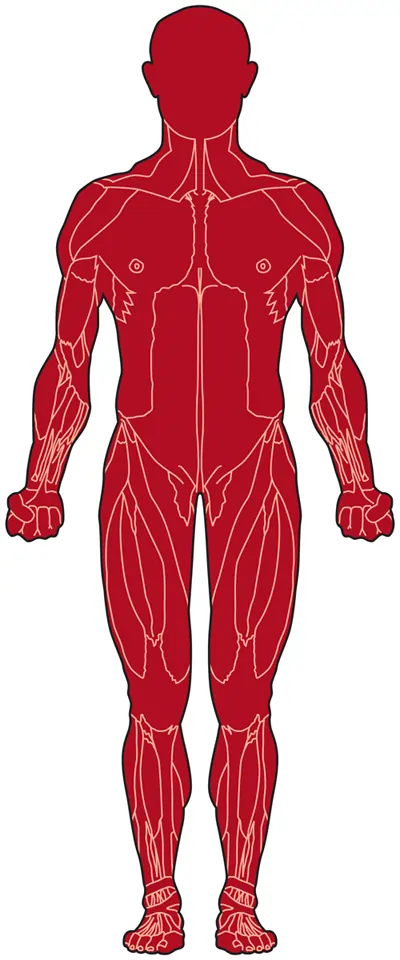
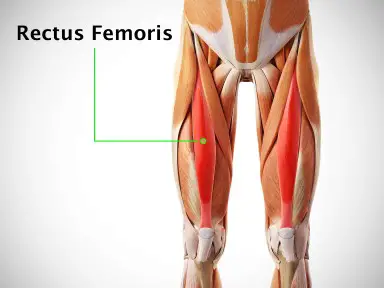
Leg extensions, leg raises, lunges, and squats are among the greatest quad workouts. The vastus lateralis, vastus medialis, rectus femoris, and vastus intermedius are the four quadriceps (quad) muscles that are worked during these workouts.
Most people know that exercises like squats, split squats, and the leg press are good for building up your quadriceps since they include knee extension, which is the main motion of the quadriceps.
It’s critical to identify the signs of quadricep weakness, which might include walking difficulties, decreased stability, or knee pain.
Your quadriceps, which are found in the front of your thighs, help you extend your knees and support your leg as you take a stride forward. Hamstrings: Found at the rear of your thighs, these muscles aid in extending your hips and bending your knees, which pulls your legs back when you walk.
We advise including one to three distinct quad exercises in a training session, but generally speaking, no more than that. This is because performing more than three quad movements in a single session is probably simply a waste of possible exercise variants that you may store for later mesocycles.
Yes, three to five well-selected exercises should be plenty for a thorough leg workout since they allow for targeted training on the main leg muscle groups and can effectively stimulate muscular growth and strength. Use a combination of isolated exercises (e.g., leg extensions or calf raises) and complex movements (e.g., squats and deadlifts) to work your quadriceps, hamstrings, glutes, and calves.
Dynamic exercises that fully engage and activate all four of the muscles that comprise this portion of the body are the finest quad workouts. Step-ups, split squats, and banded squats are a few great exercises you can incorporate into your leg day program to build stronger quadriceps.
References:
- Yetman, D. (2023, May 23). 10 At-Home Exercises to Strengthen and Tone Your Quads. Healthline. https://www.healthline.com/health/best-quad-exercises
- Inverarity, L., DO. (2025, March 20). 13 Quad exercises for strength and stability. Verywell Health. https://www.verywellhealth.com/quad-strengthening-exercises-2696617
- Kirkup-Lee, A. (2025b, August 13). Grow Bigger Quads: The Best Quad Exercises For Strength & Mass. Gymshark. https://row.gymshark.com/blog/article/best-quad-exercises
- Chowdhury, A. (2024, August 17). Maximise your thigh strength: Learn 15 powerful exercises for quad muscles and build a stronger lower body! Healthy Foods for Weight Loss to Add in Your Diet | ToneOpFit. https://toneopfit.com/blogs/exercises-for-quad-muscles
- Davies, D., Tracey, A., & Neudecker, K. (2025, August 13). The 13 best quad exercises and workouts for building muscle. Men’s Health. https://www.menshealth.com/uk/building-muscle/a38421209/quad-exercises/
- SportsMed, Y. (2025b, April 29). 5 Best Exercises to Deal with Quadriceps Tendonitis | Physiotherapists in Toronto | Yorkville Sports Medicine Clinic. Physiotherapists in Toronto | Yorkville Sports Medicine Clinic. https://www.yorkvillesportsmed.com/blog/5-best-exercises-to-deal-with-quadriceps-tendonitis