7 Best Dynamic Hip Mobility Routine for Everyday Movement
Table of Contents
Introduction:
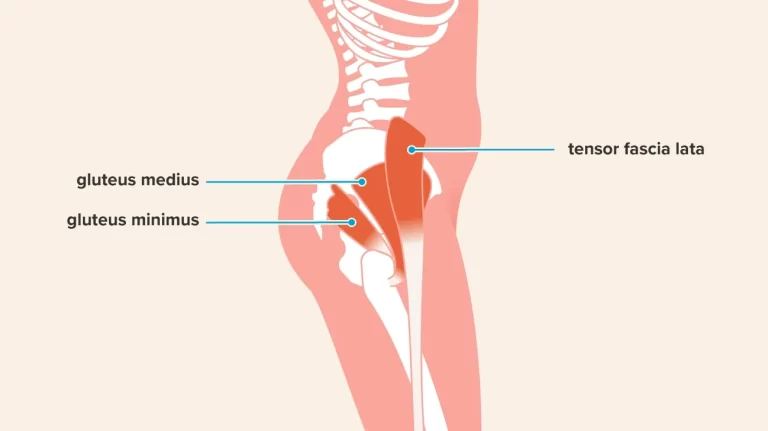
For pain-free, fluid mobility in your daily life, you must have hips that are mobile and flexible. Your hips are crucial for preserving your strength, balance, and posture, whether you’re sitting, walking, working out, or just bending over.
Every movement feels smoother and more natural with the help of a dynamic hip mobility practice that increases range of motion, improves blood flow, and releases tense muscles.
We’ll go over the top 7 dynamic hip mobility exercises in this article, which you can easily add to your daily routine to maintain your strength, flexibility, and level of activity.
Benefits of Best Dynamic Hip Mobility:
There are many advantages to incorporating dynamic hip mobility exercises into your regimen beyond increased flexibility. Your joints and muscles will be actively warmed up by these exercises, readying them for daily tasks or exercise.
Increased hip mobility improves posture, lessens stiffness, and lowers the chance of injuries caused by weak or taut hip muscles. Encouraging improved balance and movement mechanics also improves athletic performance.
Additionally, having strong, flexible hips might help you move more easily and efficiently throughout the day by reducing lower back and knee pain.
Best Dynamic Hip Mobility Exercises:
Leg Swings:
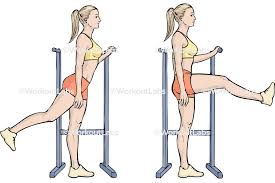
One of the most dynamic workouts for increasing hip mobility, flexibility, and balance is leg swinging. This exercise improves blood flow to the lower body and helps release tension in the inner thighs, hamstrings, glutes, and hip flexors.
Stand next to a wall or other stable object for balance when performing leg swings. Keeping your upper body tall and your core active, start by smoothly and deliberately swinging one leg forward and backward. Instead of starting at the knee, concentrate on starting from the hip joint. As your hips warm up, gradually expand your range of motion.
The adductors and abductors can also be worked using side-to-side leg swings. Frequent leg swing exercises improve stride length, ease stiffness, and prime your body for pain-free, fluid mobility during daily tasks and exercise.
Hip Circles:
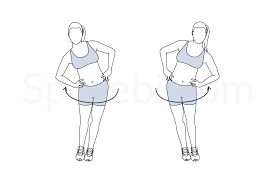
Hip circles are a great dynamic workout that increases blood flow to the surrounding muscles and helps you increase the flexibility and mobility of your hip joints. This exercise helps to release tense muscles and improve coordination by targeting the hip flexors, glutes, lower back, and core.
Place your hands on your hips and stand with your feet shoulder-width apart. Then, slowly rotate your hips in a clockwise and counterclockwise direction. Maintain the stability of your upper body while concentrating on using your hips to make big, deliberate circles.
The muscles that support hip stability are strengthened by this exercise, which also relieves tension from extended sitting. Including hip circles in your daily practice can help you move more fluidly and effectively throughout the day by enhancing your posture, balance, and joint mobility.
World’s Greatest Stretch:

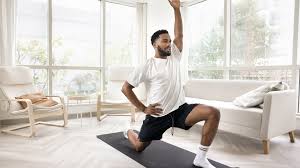
The World’s Greatest Stretch is exactly what its name suggests—it works several joints and muscle groups in one fluid motion. Hip mobility, spinal flexibility, and general body coordination are all enhanced by this dynamic stretch. Step your right foot forward next to your right hand after starting in a high plank stance. Keep your hips down and your rear leg straight.
Next, open your chest and feel the stretch in your hamstrings, hips, and thoracic spine as you rotate your upper body and reach your right arm toward the ceiling. Switch sides and put your hand back on the ground.
This exercise helps to activate your core, improve your balance, and relieve tight hip flexors, hamstrings, and glutes. Performing the World’s Greatest Stretch regularly improves posture, increases mobility, and primes your body for daily chores as well as sports activities.
Cossack Squats:
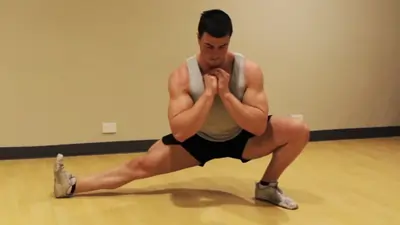
Cossack squats are a strong, dynamic workout that improves balance, leg strength, and hip mobility. This exercise strengthens the glutes, quadriceps, and hip stabilizers while stretching the hamstrings, inner thighs, and groin. Stand with your feet wider than shoulder-width apart to execute a Cossack squat.
With the other leg straight and the toes pointing up, shift your weight to one side and bend the knee deeply. As you glide fluidly from side to side, maintain an erect chest and grounded heels. With every repeat, concentrate on preserving control and a complete range of motion.
Cossack squats are great for athletes, fitness enthusiasts, and anyone wishing to move more freely in daily life since they help loosen up stiff hips, enhance lateral mobility, and promote lower body flexibility.
Walking Lunges with Twist:
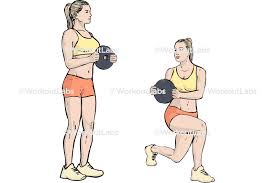
Walking lunges with a twist are a great dynamic workout that improves hip mobility, activates the core, and strengthens the lower body. This exercise improves spine rotation, strengthens the thighs and glutes, and stretches the hip flexors.
It involves taking a big stride forward into a lunge position while maintaining your back knee slightly above the floor and your front knee over your ankle. Use your core to maintain balance and control as you spin your torso toward the side of your front leg as you lower into the lunge. While continuing forward, go back to the beginning position and repeat on the other side.
Lunging and twisting together helps release tight hips, enhance balance, and improve upper-lower body coordination. Regularly performing walking lunges with a twist will improve the fluidity, stability, and painlessness of your daily motions.
Pigeon Stretch:
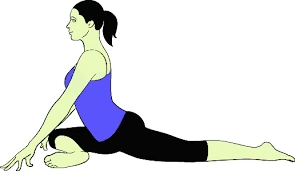
A very powerful exercise for increasing hip mobility and releasing tension in the glutes, hip flexors, and lower back is the pigeon stretch. It is particularly helpful for those who have hip stiffness or spend a lot of time sitting down.
Starting in a plank posture, move your right knee forward and position it behind your right wrist, keeping your shin slightly slanted across your body, to do the pigeon stretch. Maintaining your hips square to the floor, extend your left leg straight back. Breathe calmly and let your hips relax as you gently descend your torso over your front leg to increase the stretch. After a few breaths, hold the position, then switch sides.
This stretch is a great complement to any daily mobility or recovery regimen because it helps lengthen tight hip muscles, lessen lower back strain, and improve flexibility.
Knee to Knee Drops:
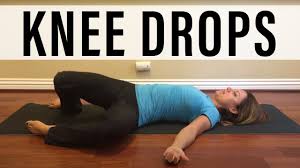
A fantastic exercise to improve hip mobility, joint stability, and control is the knee-to-knee drop, also referred to as the dynamic hip internal and external rotation drop. This exercise improves the range of motion in both internal and external hip rotation, stretches tense muscles, and gradually opens up the hip capsules.
It is done by sitting on the floor with your feet flat and knees bent, a little wider than hip-width apart. As you rotate from the hips, carefully lower both knees to one side while keeping your feet grounded. Then, in a fluid, controlled action, raise them back up and lower them to the opposing side. Instead of straining the stretch, concentrate on maintaining an upright posture and letting your hips move freely.
To improve lower-body movement patterns for everyday activities or workouts, reduce stiffness, and develop hip flexibility, this exercise is ideal as a warm-up or cool-down.
Conclusion:
You may noticeably improve your range of motion and comfort by incorporating these seven top dynamic hip mobility exercises into your everyday regimen. Every exercise, including the pigeon stretch, hip circles, and leg swings, helps to improve hip flexibility, strengthen supporting muscles, and relieve tension.
In addition to promoting better posture and balance, increased hip mobility also lessens knee or lower back pain and helps prevent injuries. You can achieve smoother, more efficient mobility in all of your activities, from daily chores to workouts, by performing these movements for a few minutes each day. Maintain consistency, practice conscious movement, and get the rewards of hips that are pain-free, strong, and flexible.
FAQs:
There isn’t a single “best” workout; the most successful regimen combines aerobic, strength-training, and balancing exercises, such as Tai Chi, weightlifting, and walking, and is customized for each person’s preferences and consistency for long-term gains. Any exercise is beneficial when done consistently, but choosing a pleasurable activity enhances the likelihood that you will persist with it.
Practices that help release the physical and mental stress stored in the hips, such as yoga, somatic exercises, and massage, can help you release hip trauma. Over time, attentive movements, certain positions like Pigeon and Butterfly, and regular, moderate stretching can help promote both physical and emotional release. Additionally, advised are therapeutic shaking and expert assistance from a trauma-informed therapist.
Because the sacral chakra is situated between the hips and reproductive organs, a blockage there may manifest as tightness and stress in the muscles. Therefore, releasing any emotional emotions that are blocked can be facilitated by working with the sacral chakra in your yoga practice.
Three to five sets of a front foot elevated split squat and three to five sets of a standing hip flexion isometric could be used to test hip flexion. You may do three to five sets of the 90/90 hip stretch to increase hip external and internal rotation, and then you could do three to five sets of active external and internal rotation in the same posture.
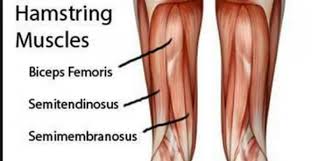
Although the hamstrings are crucial hip extensors, the hip joint may suffer if they contract before the iliofemoral stabilizers.
Unsteadiness when walking, hip or back pain from muscles compensating for weakness, a knee buckling in during activities like squats, and the inability to maintain a steady knee lift for five to ten seconds are all indicators of weak hips. Additionally, you might feel your pelvis tilt too much and have general hip or groin pain.
The knees are brought up to the chest and fully bent at the bottom of a squat exercise, commonly known as the squat position. If you push your knees out to the side, this position of full hip flexion usually stretches your glutes, hip rotators, and hip adductors.
This practice can eventually impair hip mobility and health, leading to several problems, such as: Tight hip flexors: Sitting for extended periods of time shortens your hip flexor muscles, which over time may cause tightness. This tightness may cause pain and limit your range of motion.
90/90 Hip Stretches
Take a seat on the floor with both knees bent at a 90-degree angle, one leg in front of you and the other behind. You will clearly feel your hips releasing and stretching as you lean forward a little and maintain the position for at least 30 seconds.
Through focused exercises, the three-day mobility program aims to increase range of motion, strength, and flexibility, particularly in the hips and lower body. It highlights how crucial it is to warm up before training and offers a thorough daily regimen with precise movements and execution notes.
Ankle circles, the 90/90 hip switch, the cat-cow spinal movement, and shoulder pass-throughs are all useful mobility exercises that enhance joint function and flexibility. While hip openers like lunges improve general hip mobility, which is essential for everyday tasks like bending and reaching, downward-facing dogs stretch the hamstrings and calves.
It can be more difficult to control the hips with an excessive range of motion. It is becoming more widely acknowledged that hip hypermobility may be the cause of pain and instability. If you work with athletes or those who participate in activities that require repetitive motions in extreme ranges of motion, this will be especially interesting.
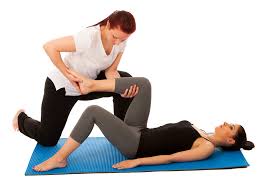
Stretch both legs out in front of you while lying flat on your back. Pull your right thigh toward your chest by tying your hands behind it. Straighten that leg, keep it there, and then bend it back down. After a few repetitions of this motion, swap legs.
It is essential to perform this activity every day to help manage and enhance hip mobility. In the video, our favorites are: Try to hold the upright pigeon stretch for six deep inhalations and exhalations on each side. Try to hold the hip flexor stretch for six deep inhalations and exhalations on each side.
References:
- Cronkleton, E. (2025b, July 3). 14 Exercises for strengthening and increasing mobility in the hips. Healthline. https://www.healthline.com/health/hip-exercises
- Sitemanager. (2024, July 27). Free up your hips: 5 dynamic hip mobility exercises for everyone. Physical Therapy Parsippany, NJ. https://physioprospt.com/5-dynamic-hip-mobility-exercises-for-everyone-2/
- Vlce, K. A. M. C. (2025, January 29). 9 Hip mobility Exercises for Stronger, Pain-Free Hips. Real Simple. https://www.realsimple.com/health/fitness-exercise/workouts/hip-exercises
- Breitowich, A., & Luppino, O. (2025, March 13). The best mobility exercises to improve your range of motion and help nix aches and pains. Women’s Health. https://www.womenshealthmag.com/fitness/a40059106/mobility-exercises/
- Berg, H. (2024, October 21). The best hip mobility exercises to release tightness, pain, and stress | Anytime Fitness. Anytime Fitness. https://www.anytimefitness.com/blog/hip-mobility-exercises
- Scozzaro, S. (2025, September 25). Hip mobility stretches to boost performance for trail and ultra runners – CTS. Carmichael Training Systems. https://trainright.com/hip-mobility-stretches-for-ultrarunners-runners/