
10 Best Exercises to Align Your Spine At Home
Table of Contents
Introduction:
For general health, posture, and mobility, maintaining appropriate spinal alignment is crucial. Over time, back pain, stiffness, and exhaustion can result from poor alignment. The good news is that improving it doesn’t usually require a chiropractor or exercise equipment.
You may naturally realign your spine from the comfort of your home with a few easy stretches, exercises, and daily routines. In order to maintain a strong, balanced, and pain-free spine, this tutorial presents simple, beginner-friendly practices.
Benefits of Aligning Your Spine At Home:
- Reduces Back and Neck Pain: Frequent spine alignment exercises help ease the strain and pain caused by bad posture or extended sitting.
- Improves Posture: Maintaining a healthy, upright posture and standing taller are made possible by strengthening and stretching important muscles.
- Improves Mobility and Flexibility: When your spine and joints are properly aligned, daily activities become easier and more fluid.
- Increases Energy Levels: Your body uses energy more effectively when your spine is in alignment, which lessens fatigue and enhances concentration.
- Promotes Better Breathing: A straight spine allows for deeper, more efficient breathing by opening up the chest.
- Improves Circulation and Nerve Function: Alignment promotes greater general health by facilitating the free passage of blood and nerve signals throughout your body.
- Minimizes Injury Risk: Preserving spinal balance lessens the likelihood of injury during movement by preventing tension on muscles, ligaments, and joints.
- Promotes Relaxation and Stress Reduction: Mild stretches and spine exercises help relax the mind and release tense muscles.
Align Your Spine At Home:
Cat-Cow Stretch:
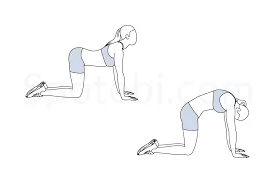
The Cat-Cow stretch is a straightforward but effective yoga pose that enhances posture and spinal flexibility. It includes smoothly and rhythmically shifting the spine between two positions: arching upward like a cat and dropping downward like a cow.
This stretch promotes improved breathing and movement coordination, eases neck and back stress, and gently warms the spine. The Cat-Cow stretch is a great exercise for keeping a healthy and aligned spine at home since it increases blood flow to the spine, improves mobility, and encourages relaxation.
Bird Dog:
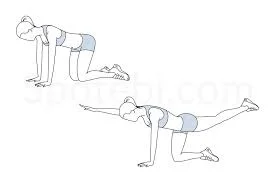
The Bird Dog exercise is a great way to develop your core and enhance your stability, balance, and spinal alignment. It is done on all fours and entails keeping the back flat and core active while stretching one arm forward and the opposing leg backward.
The lower back, abs, and glutes—muscles crucial for supporting the spine—are strengthened by this exercise. Frequent Bird Dog practice improves posture, eases back pain, and fosters improved coordination. It’s a gentle yet effective method for maintaining good spinal alignment at home and developing a strong, stable core.
Bridge Pose:
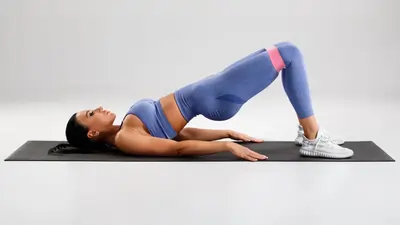
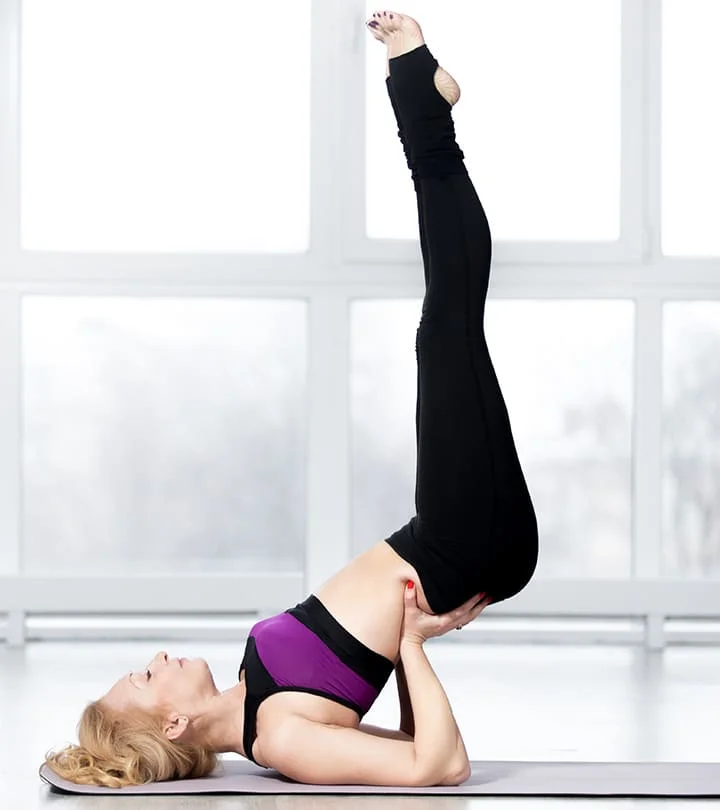
The Bridge Pose is a mild backbend that opens up the hip flexors and chest while strengthening the hamstrings, glutes, and spine. This posture involves lying on your back with your feet flat on the ground and your knees bent.
Then, while keeping your shoulders grounded, raise your hips toward the ceiling. This exercise promotes better posture, eases lower back stress, and increases spinal flexibility. Frequent Bridge Pose practice also promotes a healthy, well-aligned spine, improves blood circulation, and relaxes the mind.
Wall Angles:
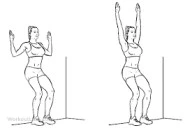
A straightforward yet incredibly powerful exercise for enhancing posture and spinal alignment is the wall angle. Stand with your back flat against a wall, your feet slightly apart from it, and your arms up in a “goalpost” posture to execute this exercise.
Keeping your head, wrists, and back in touch with the wall, slowly move your arms up and down it. This exercise helps rectify rounded shoulders caused by prolonged sitting, opens up the chest, and develops the muscles in the upper back and shoulders. Regular wall angle practice improves alignment, spinal mobility, and posture.
Child’s Pose:
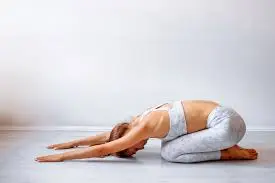
Child’s Pose is a healing yoga pose that encourages relaxation while gently stretching the lower back, hips, and spine. This position involves lowering your forehead to the floor while kneeling on the floor, sitting back on your heels, and extending your arms forward.
This posture lengthens the spine, eases stress in the shoulders and back, and soothes the neurological system. Child’s Pose is a great stretch for beginners and those looking for gentle back care at home because it can reduce back stiffness, increase flexibility, and promote appropriate spinal alignment.
Plank:

The Plank is an effective core-strengthening exercise that is essential for preserving the stability and alignment of the spine. To do it, support your weight with your forearms (or hands) and toes while positioning your body in a straight line from head to heels.
To keep your hips from drooping or raising too high, contract your leg muscles, glutes, and core. This full-body workout helps prevent back pain and improve posture by strengthening the shoulder, back, and abdominal muscles that support the spine. Frequent planking improves balance, core strength, and general spinal health.
Thoracic Extension on Foam Roller:
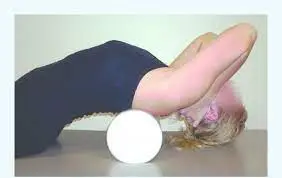
A great exercise to increase upper back mobility and correct bad posture from sitting or slouching is thoracic extension on a foam roller. This exercise involves lying on your back with a foam roller positioned horizontally beneath your upper back.
Keep your feet flat, use your hands to support your head, and slowly arch your upper back over the roller while maintaining a stable lower back. Roll your upper spine slowly, stopping in tight spots. This exercise encourages improved posture and spinal alignment, opens up the chest, and relieves tension in the thoracic spine.
Cobra Pose:

Cobra Pose is a mild backbend that opens up the chest, shoulders, and abdomen while strengthening the spine. Place your palms beneath your shoulders while lying on your stomach to execute this stance. With your shoulders relaxed and your elbows slightly bent, raise your chest off the floor by pressing into your hands.
The exercise helps release tension from prolonged sitting or slouching, extends the front of the body, and increases spinal flexibility. Regular Cobra Pose practice supports a healthy, aligned spine, improves posture, and strengthens the back muscles.
Side-Lying Leg Raises:
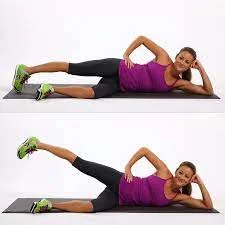
The hip and core muscles, which are crucial for maintaining appropriate spinal alignment, are strengthened with side-lying leg raises, a straightforward yet powerful exercise. Lie on your side with your legs straight and stacked to execute this motion.
Keeping your body steady and your core active, raise your upper leg, then gradually lower it back down. This deliberate movement works the glutes and hip abductors to enhance posture, stability, and balance. Frequent Side-Lying Leg Raises exercise helps maintain a strong, well-aligned spine and lessens lower back pain.
Superman Exercise:
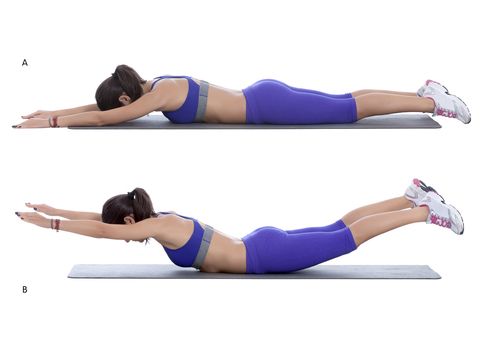
Strengthening the lower back, glutes, and core muscles—all crucial for preserving appropriate spinal alignment—is possible with the Superman exercise. Lying face down on the floor with your arms out in front of you is how you do it. Using your back and glute muscles, simultaneously raise your arms, chest, and legs off the ground.
Hold the position for a short while before lowering it back down. The term comes from the fact that this exercise imitates Superman’s flying pose. By strengthening and balancing the core, consistent practice improves posture, increases spinal stability, and lowers the risk of lower back problems.
Conclusion:
One easy yet effective technique to improve posture, lessen back pain, and increase general well-being is to align your spine at home. You may improve your body balance and strengthen the muscles supporting your spine by regularly performing mild exercises like Bridge Pose, Bird Dog, Cat-Cow Stretch, and other alignment-focused poses.
These exercises assist in reducing daily stress and tension in addition to increasing flexibility and core stability. You can experience long-lasting comfort, increased mobility, and a healthier, more aligned body by setting aside just a few minutes each day for spine care.
FAQs:
Chiropractors can help with different parts of the body in addition to adjusting and correcting spinal misalignments. People with a wide range of problems can benefit from chiropractic care.
There are various signs of a crooked spine. These include weariness and pain in your neck, hips, and knees. RLS, back pain, excruciating headaches, tingling, numbness, and bad posture are additional indicators of a misaligned spine.
By keeping the spine in alignment, the firm surface may lessen the strain on the sciatic nerve. Individual reactions to floor sleeping, however, can differ, so it’s best to try a variety of sleeping positions and surfaces to see what suits you the best.
Lastly, a chiropractic adjustment is far more successful in enhancing general health and offering long-term comfort. Self-cracking could offer some respite, but it doesn’t deal with the underlying cause of the issue.
While some spinal positions are associated with peace, ease, healing, and relaxation—a “rest, reproduce, and digest” state—others promote a “fight-flight” state, in which fear and wrath propel our nervous system to defend ourselves.
However, you should anticipate seeing a noticeable improvement after 10–12 sessions spread over 6 weeks. You should now be evaluated and transferred to the following stage of treatment. Your goals, or how aligned you wish to be, determine the following stage.
By actively activating and contracting the back, leg, and core muscles—all of which work together to stabilize the spine—walking improves the muscles that support the spine. Sedentary lifestyles that result in weak muscles can misalign the spine, which over time can cause weariness, degeneration, and pain.
Second, maintain a healthy weight by losing weight if you are overweight or obese. It is challenging to maintain proper posture when you are overweight. Third, strengthen your muscles, tendons, and ligaments by exercising frequently.
In order to promote optimal spinal alignment, people can adopt a spine-friendly lifestyle that includes good posture, strong core muscles, a healthy gait, good sleeping posture (side sleepers should sleep with a flat pillow between their knees), finding a spine-friendly sleeping position, and using a firm pillow.
References:
- Cronkleton, E. (2025e, August 1). 12 Spinal decompression exercises for all skill levels. Healthline. https://www.healthline.com/health/spinal-decompression-exercises
- Joan. (2023, October 10). Spine Alignment Exercises — Joan Pagano Fitness. Joan Pagano Fitness. https://www.joanpaganofitness.com/aging-gracefully-blog/2022/11/25/spine-alignment-exercises
- 8 Great exercises to safeguard your spine: John Regan, MD, orthopedic spine surgeon. (n.d.). https://www.spinegroupbeverlyhills.com/blog/8-great-exercises-to-safeguard-your-spine
- Clear. (2021, May 6). How to align your back without a chiropractor. CLEAR Scoliosis Institute. https://clear-institute.org/blog/how-to-align-your-back-without-a-chiropractor/
- Spine alignment exercises: simple daily movements. (n.d.). https://www.getwellen.com/well-guide/5-simple-exercises-to-start-your-day-and-year-with-better-alignment