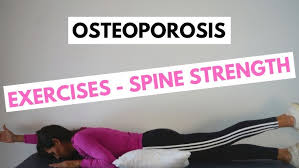
7 Simple Exercises to Strengthen Your Spine with Osteoporosis
Table of Contents
Introduction:
It’s crucial to keep your spine strong and healthy, especially if you have osteoporosis. This disorder weakens the bones, increasing their vulnerability to pain and fractures. However, you may strengthen the muscles that support your spine, improve your posture, and improve your balance by adding easy and safe workouts into your daily routine.
Without placing undue strain on the spine, these mild exercises concentrate on increasing bone density, flexibility, and core stability. You can lower your chance of injury, ease back pain, and improve the general health of your spine by doing them daily.
Benefits of Simple Exercises to Strengthen Your Spine with Osteoporosis:
For those with osteoporosis, performing basic spine-strengthening exercises has several advantages. By slowing bone loss and increasing bone density, these workouts lower the incidence of spinal fractures.
Additionally, they enhance balance and posture, which can help avoid accidents and falls. By supporting the spine and relieving strain on the vertebrae, strengthening the back and core muscles helps reduce chronic pain.
Regular movement also helps you stay active and independent by improving your flexibility, mobility, and general body coordination. You may naturally enhance your quality of life and safeguard your spine by adding these mild exercises to your routine.
Simple Exercises to Strengthen Your Spine with Osteoporosis:
Wall Angels:
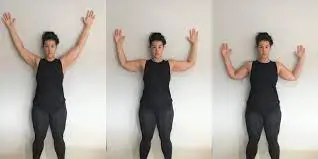
Wall angels are a great way to strengthen the muscles that support your spine and enhance your posture. Place your feet a few inches away, your arms bent at a 90-degree angle, and your back flat against a wall. Maintaining your back and arms in contact with the wall, slowly raise your arms as though forming a snow angel.
This exercise improves spinal alignment by using the shoulders, core, and upper back muscles. Frequent practice improves mobility, corrects rounded shoulders, and lessens stiffness—all of which are particularly helpful for those with osteoporosis to maintain a good, upright posture.
Bird Dog Exercise:
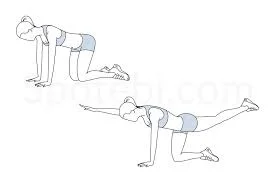
The lower back, core, and glute muscles—all important for spinal stability—are strengthened by the gentle yet effective bird dog exercise. With your back flat and your core active, start on your hands and knees. Keeping both parallel to the floor, extend your left leg backward and your right arm forward.
After a few seconds of holding, go back to the beginning and switch sides. This exercise lessens strain on the spine while improving posture, balance, and coordination. It promotes stability and lessens back strain during regular activities for people with osteoporosis.
Prone Back Extension:
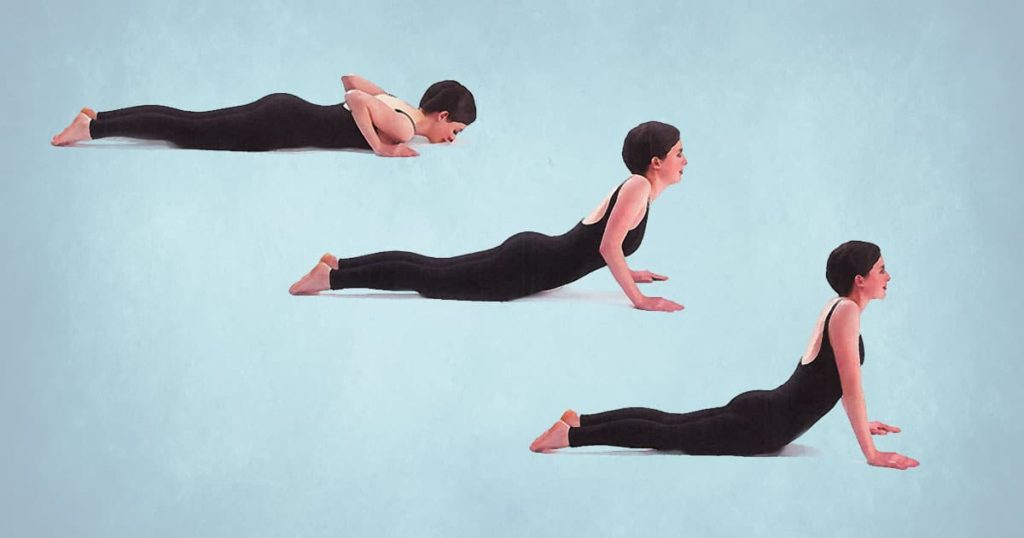
An effective exercise to strengthen the muscles along your spine and enhance posture is the prone back extension. With your hands softly behind your head or your arms by your sides, lie face down on a mat. Maintaining a neutral neck and planted hips, slowly raise your chest off the ground.
After a few seconds of holding, carefully descend again. To preserve spinal alignment and limit the risk of fractures, this exercise works the lower back, glutes, and spinal extensors. It encourages improved back strength and securely supports daily activity for people with osteoporosis.
Dead Bug Exercise:

Strengthening the core muscles that support your spine can be done safely and effectively with the dead bug exercise. With your knees bent at a 90-degree angle and your arms outstretched toward the ceiling, lie on your back. Maintain your lower back pressed against the mat, and slowly lower your left leg and right arm toward the floor.
Go back to where you were before and switch sides. By using the deep abdominal and stabilizing muscles, this deliberate movement helps to prevent tension on the spine. It improves spine stability, balance, and core strength for people with osteoporosis without placing undue strain on the back.
Standing Leg Marches:
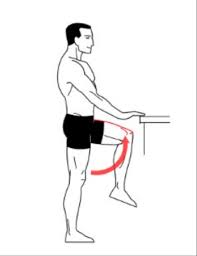
A straightforward yet powerful exercise to enhance balance, coordination, and spinal support is the standing leg march. With your feet hip-width apart and your core active, take a tall stance. To simulate a soft marching motion, slowly raise one knee toward your chest, hold it there for a brief while, then bring it back down and repeat with the other leg.
Throughout the exercise, maintain an erect stance and relaxed shoulders. The hip flexors, lower back, and core muscles—all crucial for preserving proper posture and spinal stability—are strengthened by this exercise. It encourages safe mobility and lessens the risk of falls for those with osteoporosis.
Bridge Exercise:

The glutes, lower back, and core muscles that support the spine can all be strengthened with the bridge exercise. Start by lying on your back with your feet flat on the floor, hip-width apart, and your knees bent. To raise your hips off the floor and create a straight line from your shoulders to your knees, push through your heels.
After a few seconds of holding, carefully descend once more. This deliberate motion lessens lower back pain, enhances posture, and stabilizes the spine. Bridges are a healthy technique for people with osteoporosis to promote spinal alignment and gain strength without putting undue strain on their backs.
Wall Sit:

A fantastic low-impact exercise for strengthening the legs, glutes, and core muscles that are essential for supporting the spine is the wall sit. As if you were sitting in an imaginary chair, stand with your back flat against a wall and slowly glide down until your knees are bent at a 90-degree angle. Hold the position for 15 to 30 seconds while keeping your back firmly against the wall and breathing steadily. Then slowly get back up.
This exercise enhances posture, strength, and stability in the lower body. Wall sits are a safe and effective way to maintain spinal health and increase endurance in people with osteoporosis.
Conclusion:
You can manage osteoporosis and keep your spine strong and healthy by incorporating these easy workouts into your routine. Every exercise, from the soft stretch of wall angels to the core stimulation of dead bugs, enhances flexibility, strength, posture, and balance without overtaxing delicate bones.
Regular practice lowers the chance of falls and accidents, improves spinal stability, and increases general movement confidence. Even with osteoporosis, you may maintain an active lifestyle, safeguard your spine, and improve your quality of life with consistent effort and attentive technique.
FAQs:
High-sodium foods like processed foods, sugary drinks like soda, and excessive amounts of alcohol and caffeine are among the foods to avoid if you have osteoporosis. Foods strong in phytates (like wheat bran) and oxalates (like spinach) should also be avoided since they can impede the absorption of calcium.
Due to their high calcium, magnesium, and omega-3 fatty acid content, dry fruits, including almonds, walnuts, dates, figs, and prunes, are beneficial to bones and joints. Walnuts offer omega-3 fatty acids that help lower inflammation, while almonds are high in calcium and magnesium. Prunes are great for bone density, and dried figs are good for calcium and potassium.
For osteoporosis, there is no one “best” injection; instead, the optimum option is determined by the patient’s unique condition, fracture risk, and other medical considerations. Typical injectable choices include bone-building treatments like teriparatide (Forteo) or abaloparatide, which are used daily for up to two years, and denosumab (Prolia), which is administered every six months. Intravenous zoledronic acid infusion is an additional choice.
You may be more susceptible to osteoporosis if you have certain medical issues, such as Endocrine disorders are any conditions that impact your thyroid, parathyroid, and hormone systems, such as diabetes and thyroid disease. digestive disorders (such as inflammatory bowel disease [IBD] and celiac disease).
Almonds, dates, walnuts, dried figs, and prunes are among the dry fruits that strengthen bones. These are high in important nutrients that are necessary for the development and upkeep of strong bones, including calcium, magnesium, and boron.
A medium-firm to soft mattress is the best choice if you’re a back sleeper who wishes to take advantage of sleeping without a pillow. This relieves pressure on your thoracic spine by allowing your shoulders and pelvis to sink a little deeper.
Some people, such as some stomach sleepers, may benefit from sleeping without a pillow since it may help maintain the alignment of the spine and avoid neck pain. However, because the head is out of line with the spine due to the absence of support, back and side sleepers frequently have neck and back pain. Headaches, facial pain, and a decline in sleep quality as a result of pain or lack of support are other possible adverse effects.
Your weight is distributed evenly, and your spine remains neutral when you lie flat. To lessen pressure and strain on the lower back muscles, some patients with lower back pain might require an extra pillow under their knees. Additionally, a tiny lumbar pillow might be helpful.
There are advantages and disadvantages to everything. For instance, your body weight may compress your lungs while you sleep in this lateral position, which would reduce the amount of air in your lungs. Additionally, it may lead to issues and eventually cause lower back, hip, and right shoulder aches.
Because it might impede breathing and result in an uneven curvature of the spine, sleeping on your front is seen as unhealthy. Another reason for this curvature is the head tilting to one side while sleeping in this position. In addition to back pain, all of this can cause inflammation and pain in the neck muscles.
The ideal sitting position for osteoporosis can be encouraged by using a rise-and-recline chair.
Chronic back pain: It can be in the middle or lower back, and it can get worse when you move or do things like lift, bend, or twist. A shift in posture, especially an excessive rounding of the upper back, can result from osteoporosis-related fractures.
Dark leafy greens like bok choy, Chinese cabbage, kale, collard greens, and turnip greens are excellent options. About 200 mg of calcium (20% of your daily goal) can be found in one cup of cooked turnip greens. Additionally, dark greens include vitamin K, which lowers the risk of osteoporosis.
Resistance training, high-impact weight-bearing activities, and a diet high in calcium and vitamin D are the fastest ways to enhance bone density. Resistance training and high-impact exercises work especially well together, and lifestyle choices like abstaining from smoking and binge drinking are essential.
References:
- Exercising with osteoporosis: Stay active the safe way. (n.d.). Mayo Clinic. https://www.mayoclinic.org/diseases-conditions/osteoporosis/in-depth/osteoporosis/art-20044989
- Crna, R. N. M. (2024, July 19). 8 Exercises to Strengthen Your Bones When Living with Osteoporosis. Healthline. https://www.healthline.com/health/managing-osteoporosis/exercises-to-strengthen-your-bones
- 7 Exercises to Strengthen Your Bones | Carrell Clinic. (n.d.). Carrell Clinic. https://www.carrellclinic.com/about-us/our-blog/7-exercises-strengthen-your-bones
- Hellicar, L. (2023, June 9). 6 exercises for osteoporosis of the spine. https://www.medicalnewstoday.com/articles/exercises-for-osteoporosis-of-the-spine
- Exercises for osteoporosis of the spine. (n.d.). https://www.getwellen.com/well-guide/top-exercises-for-osteoporosis-of-the-spine