Ligamentum Flavum Hypertrophy
Table of Contents
Introduction
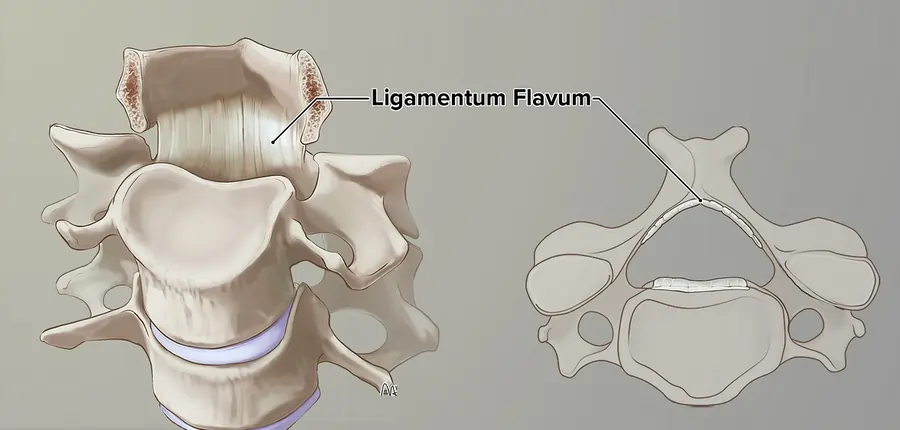
Ligamentum Flavum Hypertrophy is a condition in which the ligamentum flavum, a strong elastic ligament that runs along the back of the spinal canal, becomes thickened or enlarged.
Increased thickness of the ligamentum flavum is referred to as hypertrophy. The ligament connecting to the laminae (vertebral body components) is extremely significant. Maintaining spinal stability and posture is the ligamentum flavum’s primary function.
In extreme situations, nerve compression may result from this constriction, which can cause discomfort and decreased mobility. This condition can be effectively managed by being aware of its causes, symptoms, and non-surgical treatment alternatives. It typically results from degenerative changes that occur over time and is more prevalent in those over 50.
Anatomy
The laminae of two neighbouring vertebrae are connected with each ligamentum flavum. They are attached to the lower lamina (second vertebra) and the front of the upper lamina (first vertebra). They start at the third cervical vertebral junction and proceed to the sacrum-fifth lumbar vertebral junction.
The neck area has small ligaments, but the lumbar and thoracic regions have thicker, longer, and broader ligaments. The axis bone (C2) and the atlas bone (C1) are the thinnest, and they might not exist in some individuals. In the cervical spine, they lengthen inferiorly as the space between neighbouring laminae widens.
The spinal canal’s interior view provides the finest image. From the outside, they appear short because the lamina of the vertebral arch overlaps them.
Pathology
It is believed to be mostly the result of fibrosis caused by the buildup of mechanical tension as people age, particularly along the ligamentum flavum’s dorsal surface. The ligamentum flavum becomes thicker due to age.
This is very commonly seen in the lower levels of the lumbar. When the ligamentum flavum measures more than 1.7 mm in the cervical spine and more than 4 mm in the lumbar spine, the spine is said to be thicker.
Causes and Contributing Factors
Several conditions that gradually impair spinal health might cause flaval ligament thickening, a common spine condition:
- Ageing: The degenerative changes that occur naturally in the spine after a certain age. Age is a very common factor for the thickening of the ligamentum. These alterations make the spine less resilient and flexible, making it more prone to injury.
- Chronic Strain: The spine may experience ongoing stress from repetitive motions or heavy lifting exercises.
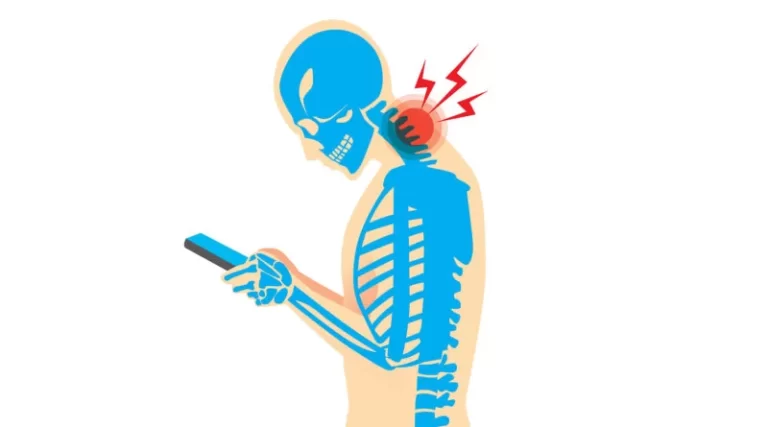
- Posture: Maintaining bad posture for an extended length of time, such as slouching or bending incorrectly, can also help this issue. Having poor posture all the time leads to unevenness, which strains the ligaments.
- Trauma or Injury: The hypertrophy process may be started by prior spinal injuries, such as those resulting from falls or accidents. The result of ligament thickening is reduced stabilization of the affected area.
- Genetic Predisposition: Sometimes ligamentum Flavum Hypertrophy is a genetic predisposition for certain persons. Their ligaments may be more prone to swelling with age or other contributing factors due to this hereditary propensity.
- Obesity: Carrying too much weight can put more strain on the spine and the ligamentum Flavum, among other ligaments. This elevated stress could eventually lead to hypertrophy.
Symptoms of Ligamentum Flavum Hypertrophy
Early detection of flaval ligament thickening symptoms can be essential for efficient treatment of the problem and preventing serious complications:
- Lower back pain: One of the most prevalent symptoms is lower back pain, which develops when the swollen ligament exerts strain on the nearby nerves.
- Extremity numbness or tingling: As the illness worsens, it may compress nerves that run down the arms and legs, causing tingling or numbness sensations.
- Mobility and Balance Issues: When the spinal nerves are compressed, it can make it harder to control muscles, which makes it harder to move around and stay balanced.
- Loss of Bladder or Bowel Control: A medical emergency known as cauda equina syndrome occurs when there is severe nerve compression that affects the nerves that control bowel and bladder movements.
Diagnosis
- MRI: for a percentage of ligamentum flavum thickening and assessing the canal stenosis (lumbar canal narrowing)
- CT: Assess the bony structure and check for hypertrophy.
Preventative Measures
Long-term spinal health depends on taking preventive measures to stop the development of flaval ligament thickening. The following measures can be very useful:
- Weight management: Maintaining a healthy weight is essential since carrying too much weight strains the spine and can make the flaval ligament thicken. Maintaining spinal health and lowering stress can be achieved by controlling your weight with a healthy diet and frequent exercise.
- Regular Exercise: One of the finest strategies to increase general spinal alignment and flexibility, as well as strengthen the muscles surrounding the spine, is to exercise frequently. Particularly advantageous are low-impact exercises that strengthen the core muscles without placing undue strain on the spine, such as swimming, walking, or cycling.
- Ergonomic Modifications: Creating ergonomic changes at home and at work can greatly lower the chance of spine problems. Make sure your curve is supported by desks, chairs, and even how your car seat is set up. Ergonomic office chairs or standing workstations can be especially helpful.
When to Consider Surgery
Usually reserved for extreme cases, surgery for flaval ligament thickening is required when non-surgical approaches are unable to adequately relieve symptoms. The decision-making process will be influenced by variables such as age, general health, and particular spinal problems. Depending on your circumstances, a wide variety of operations can be carried out. The most typical ones are
- Laminectomy: By removing the lamina, a section of the vertebral bone, the thickened ligament that was pressing on the spinal nerves is released. When there is severe spinal canal constriction, it is usually taken into consideration.
- Endoscopic Laminotomy: This less invasive method removes only a portion of the swollen ligament and lamina by using tiny incisions and a camera to guide the procedure. It works well in less serious situations or when specific remedies can lessen the discomfort.
Options for Non-Surgical Treatment
Numerous non-surgical therapies targeted at symptom management and spinal health improvement can provide relief for many people with flaval ligament thickening symptoms:
Physical therapy is a key component of non-surgical treatment and entails exercises designed to improve flexibility and strengthen the muscles that support the spine. This therapy can lessen the strain on the spine and delay the onset of symptoms.
- Chiropractic Care: To reduce spinal pressure and enhance spinal function, chiropractors employ manipulation and adjustment techniques. These modifications might lessen pain and enhance alignment, which will result in thicker ligaments.
- Massages with Acupuncture: In acupuncture, tiny needles are inserted into particular body locations to stimulate nerves and muscles, reducing discomfort and encouraging the body’s healing process. Moreover, massage therapy might be beneficial by calming tight muscles, enhancing blood flow, and alleviating discomfort.
- Lifestyle Modifications: Even minor adjustments to everyday routines can have a big effect on spine health. Enhancing one’s posture, taking regular breaks to avoid prolonged sitting, and utilizing ergonomic furniture might help control and prevent symptoms and reduce the effects.
Conclusion
Lumbar spinal canal stenosis is frequently caused by ligamentum flavum hypertrophy, particularly in older people. People can effectively manage the illness by seeking early assistance if they are aware of the origins, symptoms, and available treatments.
The chance of acquiring this illness can also be decreased by maintaining spinal health through exercise, good posture, and careful management of underlying problems. The best opportunities for increased mobility and quality of life are provided by early diagnosis and suitable therapy.
FAQs
Despite being less frequent, cervical ligamentum flavum hypertrophy has more serious effects, including limb weakening, hand and foot numbness, and even paralysis.
Options for treating thickened ligaments
Drugs that relieve pressure and pain.
Steroids can also reduce pain and inflammation. Through
physical treatment.
Possibilities for surgery.
It is not properly curable, but you can stop the symptoms of this condition. You can get help from a physiotherapist or an orthopaedic doctor. Doctors provide you with painkillers for pain, and physiotherapists provide you with some modalities for pain; after that, they prescribe some exercises to strengthen the lumbar muscles and reduce the pain.
Joint instability and persistent discomfort can result from a grade 3 tear or a completely torn ligament. Surgery is required because there is a break between the tissue and any potential blood supply. Surgery is the last and best option, reducing the chances of re-injury and promoting the proper joint healing process.
References
- NSD Therapy. (2025, March 12). Ligamentum Flavum Hypertrophy – Causes & Non-Surgical Care. https://www.nsdtherapy.com/hypertrophy-of-ligamentum-flavum/
- Edenseppc. (2024, October 21). Everything about Ligamentum flavum Hypertrophy | Spinefit. Spinefit Chiro. https://spinefitchiro.com/ligamentum-flavum-hypertrophy-syndromes-causes-treatments/