Monoplegia
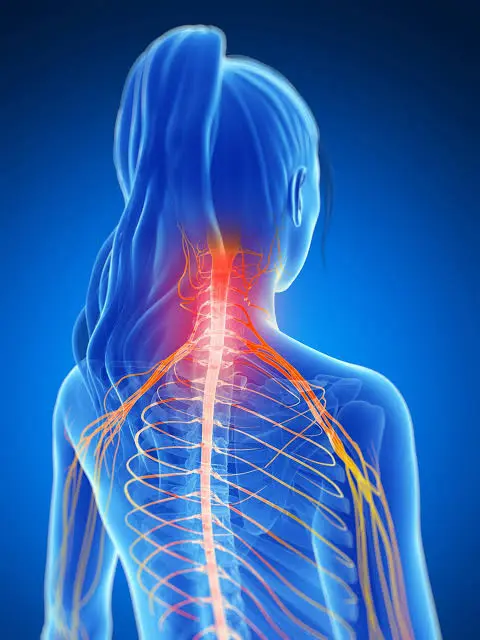
Monoplegia is a type of paralysis that affects movement in only one limb, such as one arm or one leg. It usually occurs due to damage or injury to the brain, spinal cord, or nerves controlling that specific limb.
Both temporary and permanent conditions are possible. Monoplegia is most frequently caused by cerebral palsy. Usually, treatment consists of symptom management that improves your quality of life.
Table of Contents
What Is Monoplegia?
A single limb becoming paralyzed is called monoplegia, which is a combination of the Greek words “mono” (one) and “plegia” (paralysis). The severity of this ailment ranges from partial to total paralysis, and it can affect either the arm or the leg.
Causes Of Monoplegia
There are several causes of monoplegia, including infections, trauma, and neurological conditions. The following are some of the main reasons:
- Neurological Disorders
- Traumatic Injuries
- Infections and Inflammation
- Tumors
- Faciobrachial Monoplegia
Neurological Disorders: Multiple sclerosis, stroke, and cerebral palsy are among the conditions that can cause monoplegia. These conditions impair the nerves that regulate limb mobility and interfere with proper brain function.
Traumatic Injuries: Monoplegia may result from severe spinal cord or peripheral nerve damage. Common causes include sports injuries, falls, and accidents.
Infections and Inflammation: Inflammatory diseases such as Guillain-Barré syndrome and infections such as meningitis or encephalitis can harm the nervous system and cause monoplegia.
Tumors: Single limb paralysis can result from nerve compression caused by brain or spinal cord tumors.
Faciobrachial Monoplegia: The face and arm on one side of the body are most affected by faciobrachial monoplegia, a form of monoplegia. It frequently occurs when combined with neurological conditions such as epilepsy.
Symptoms Of Monoplegia
The main sign of monoplegia is the inability to move the limb that is affected. However, the condition may also present with additional symptoms:
- Muscle Weakness: A decrease in the strength of the paralyzed limb.
- Numbness: The affected area loses its ability to feel.
- A tingling feeling that is frequently referred to as “pins and needles.”
- Muscle atrophy: The loss of muscle mass as a result of inactivity.
Symptoms may appear suddenly if you have had a stroke or an injury. A condition like cerebral palsy causes symptoms to appear gradually.
Diagnosis
A medical professional will examine you physically and inquire about any recent injuries. They will ask you when you first became aware of the problem. Your healthcare professional could ask for certain testing, such as:
- X-rays
- Computed tomography (CT) scan
- Magnetic resonance imaging (MRI) scan
- Electromyogram (EMG)
Computed tomography (CT) scan and Magnetic resonance imaging (MRI) scan: MRI and CT scans offer fine-grained pictures of the brain and spinal cord, which can be used to spot injuries or structural abnormalities.
Electromyogram (EMG): Muscle electrical activity is measured by EMG, which helps diagnose abnormalities of the nerves or muscles.
Blood Tests: Blood tests can identify inflammatory diseases or infections that may be the cause of monoplegia.
Treatment For Monoplegia
The goals of monoplegia treatment are to increase mobility and enhance quality of life. The method differs depending on the underlying cause and severity of paralysis.
- Medications
- Physical Therapy
- Occupational Therapy
- Surgical Interventions
- Assistive Devices
Medications
In addition to treating underlying diseases, medications can manage symptoms. Anti-inflammatory drugs, for example, lessen inflammation, while antispasticity drugs assist in managing muscular spasms.
Occupational Therapy
Occupational therapists teach patients how to carry out everyday tasks in spite of their restrictions, which helps them regain their independence.
Surgical Interventions
In certain situations, surgery can be required to remove tumors, repair damaged nerves, or release pressure on the spinal cord.
Assistive Devices
People with monoplegia can live more active lives by using devices that support movement and function, such as wheelchairs, braces, or splints.
Physical Therapy
One of the most important aspects of treating monoplegia is physical therapy. In order to strengthen the affected limb, increase flexibility, and improve coordination, therapists create personalized training programmes.
- Passive and active mobilization
- Functional electrical stimulation (FES)
- Manual therapy
- Constraint-Induced Movement Therapy (CIMT)
Passive and active mobilization: To preserve joint condition, a therapist does passive range-of-motion exercises at the start of treatment. Resistance and active exercises are included as the patient gets better in order to restore their strength and range of motion.
Functional electrical stimulation (FES): When combined with training exercises, the application of tiny electrical charges to the muscles causes them to contract, leading to a notable improvement in function.
Manual therapy: To increase nerve and muscle activity and reduce stiffness, techniques including massage and joint mobilization are used.
Constraint-Induced Movement Therapy (CIMT): Using splints or casts to improve motor control, this therapy includes restricting the use of the unaffected limb in order to encourage the use of the affected one.
Summary
- A form of paralysis known as monoplegia affects one limb, such as an arm or leg, on one side of the body. This occurs when nerve signaling to the muscles in the affected limb is interrupted due to injury to a part of the nervous system.
- One arm or one leg, the upper or lower body, might be affected by monoplegia. The onset of symptoms may be abrupt or develop gradually over time.
- Cerebral palsy is frequently the cause of monoplegia. However, trauma or damage to the brain, spinal cord, or affected limb may also be the cause.
- For some people, monoplegia may be irreversible, but it can occasionally get better with time. The main goals of treatment are usually to reduce symptoms and enhance quality of life.
FAQ’s
A type of paralysis known as monoplegia occurs when all voluntary muscle action is lost in just one limb, either the arm or the leg. The illness may be either transient or ongoing. Monoplegia is most frequently caused by cerebral palsy. Usually, treatment includes managing your symptoms in order to enhance your quality of life.
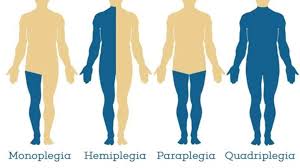
Monoplegia is paralysis of a single limb, such as just one arm or one leg, whereas hemiplegia is paralysis of one side of the body (an arm and a leg). Hemiplegia affects one side of the body, whereas monoplegia affects only one limb. This is the main distinction.
Monoplegia cannot be cured; however, it can be made functional again using a variety of treatments. Through physical and occupational therapy, as well as occasionally surgery or medication, the main objective of treatment is to restore function and improve quality of life. Recovery is contingent upon the severity and underlying reason.
References:
- Monoplegia. (2025, October 1). Cleveland Clinic. https://my.clevelandclinic.org/health/diseases/monoplegia
- Seladi-Schulman, J., PhD. (2020, January 29). What is monoplegia, and how does it affect your body? Healthline. https://www.healthline.com/health/monoplegia
- Spinalcord.com. (2020, November 12). Monoplegia- causes and top treatments | SpinalCord.com. https://www.spinalcord.com/monoplegia
- Monoplegia: causes, symptoms, and treatment. (n.d.). https://www.medicoverhospitals.in/diseases/monoplegia