Effective Physical Therapy Exercises for Lower Back Pain
Table of Contents
Introduction:
One of the most prevalent musculoskeletal conditions that affects people of all ages is lower back pain. Injury, a sedentary lifestyle, weak muscles, or bad posture may bring it on. By encouraging improved posture and general spinal health, these exercises not only lessen pain but also help avoid recurring attacks.
Benefits of Lower Back Pain Exercises:
- Pain Relief: Specific exercises can help ease acute or chronic lower back pain by reducing muscle tension.
- Increased Flexibility.
- Strengthening Muscles: By strengthening the hip, back, and core muscles, the spine is better supported.
- Posture Correction: Consistent exercise helps keep the spine in the right alignment, which lessens the strain caused by bad posture.
- Preventing Future Injuries: Recurring pain is less likely when the muscles surrounding the lower back are strengthened and stabilized.
- Improved Daily Function: Makes it easier to carry out daily tasks without experiencing pain.
- Decreased Dependency on Medication: Exercises that don’t include any physical contact can help reduce the need for painkillers and other medications.
Exercises for Lower Back Pain:
Cat-Cow stretch:
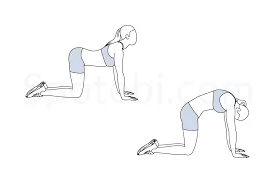
The Cat-Cow stretch is a soft, flowing practice that relieves neck and back stress and increases spine mobility and flexibility. With your knees beneath your hips and your hands directly beneath your shoulders, start on all fours.
Exhale as you round your spine, tucking your chin and pelvis (Cat posture), and inhale as you arch your back, lifting your head and tailbone toward the ceiling (Cow stance). For eight to ten cycles, carefully repeat this action. This stretch improves circulation to the spine, increases spinal flexibility, and eases lower back pain and stiffness.
Bridge exercise:
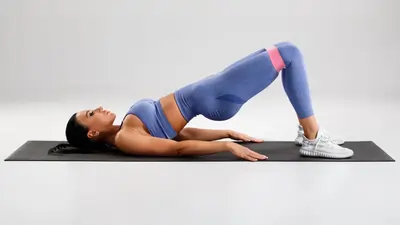
The glutes, lower back, and core muscles—all crucial for supporting the spine—can be strengthened with the help of the Bridge exercise. To do it, place your feet flat on the floor, hip-width apart, and lie on your back with your knees bent.
To raise your hips toward the sky and create a straight line from your shoulders to your knees, push through your heels. After holding for a short while, carefully bring your hips back down.
Repeating this 10 to 15 times strengthens and activates the muscles supporting the lower spine, improving overall posture, lowering pain, and increasing lower back stability.
Superman exercise:
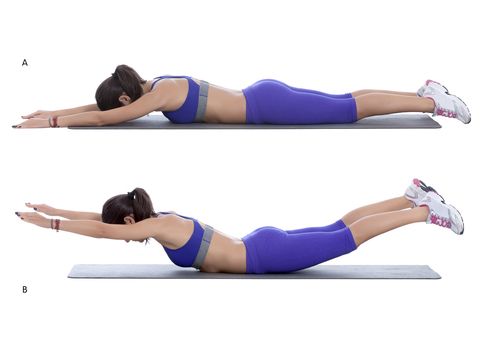
It is performed by lying face down on the floor with your legs straight and your arms out in front of you. Using your back muscles, raise your arms, chest, and legs as high off the ground as you can comfortably do all at once.
After a few seconds of holding this position, carefully lower yourself back down. Ten to twelve repetitions of this exercise increase general strength in the muscles supporting the spine, decrease lower back stiffness, and improve spinal stability.
Child’s Pose stretch:
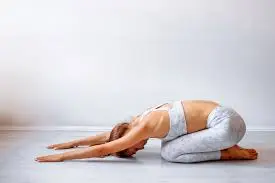
A mild yoga-based stretch that eases stress in the thighs, hips, and lower back is called “Child’s Pose.” To do it, spread your knees apart and kneel on the floor with your big toes touching. While taking deep breaths, hold this position for 20 to 30 seconds.
This stretch is particularly helpful for lowering lower back pain and calming the body since it softly lengthens the spine, eases tense muscles, and increases flexibility.
Glute Stretch:
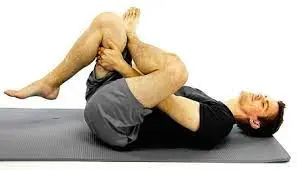
To perform it, lie on your back with your feet flat on the floor and bend your knees. Then, slowly raise your left thigh to your chest until your right glute feels stretched.
Regular use of this stretch relieves tight glutes, reduces lower back pain, and supports proper pelvic alignment.
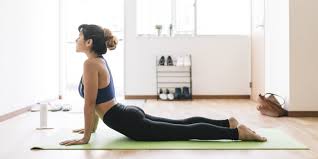
Cobra Pose:
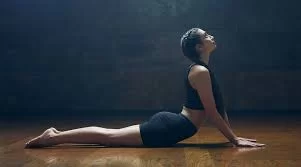
With your elbows slightly bent and your shoulders relaxed, push through your palms to raise your chest off the floor. Breathe deeply as you hold the stance for 15 to 30 seconds, then slowly lower yourself back down.
In addition to strengthening the lower back muscles and increasing spinal flexibility, this exercise can help ease the pain caused by extended sitting or bad posture.
Conclusion:
Lower back pain can be effectively managed and prevented by including physical therapy exercises in your routine. Core and back muscles are strengthened, flexibility is increased, and good posture is encouraged with knee-to-chest stretches, Cat-Cow, Bird Dog, Bridge, Superman, Hip Extension, Child’s Pose, Glute Stretch, and Cobra Pose.
Frequent practice improves spine stability, lowers the chance of further injuries, and promotes general functional mobility, all of which help you do daily tasks more comfortably and easily.
FAQs:
The most common cause of acute low back pain is an abrupt damage to the back’s supporting muscles and ligaments. Muscle spasms or a strain or rupture in the muscles and ligaments could be the source of the pain. Compression fractures of the spine are among the causes of abrupt low back pain.
These exercises emphasize core strengthening and moderate spinal mobilization. Yoga, swimming, and other mild, low-impact exercises are also helpful. Before beginning any new fitness program, you must speak with a physician or physical therapist to ensure it is safe for your particular condition and to avoid exercises like heavy deadlifts that might worsen an L4-L5 disc bulge.
Muscle strains, disk disorders like herniation or degeneration, nerve disorders like sciatica, and structural disorders like spinal stenosis or spondylolisthesis can all cause lower back pain above the buttocks. Kidney stones are a less frequent cause, but they usually result in sharper, more severe lower back pain and sometimes blood in the urine. Pain in this region can also be caused by pelvic floor muscle problems and piriformis syndrome, which is a condition where a muscle presses against the sciatic nerve.
When sitting, make sure your back is supported and straight by using pregnancy support pillows. Obtain adequate sleep, especially in the latter stages of pregnancy. Take a warm bath or get a massage. Use a mattress that provides adequate support for you; if necessary, place a piece of hardboard below a soft mattress to firm it up.
References:
- Back exercises in 15 minutes a day. (n.d.). Mayo Clinic. https://www.mayoclinic.org/healthy-lifestyle/adult-health/in-depth/back-pain/art-20546859
- Physical therapy for lower back pain – 10 best exercises for relief. (n.d.). https://www.movementforlife.com/articles/physical-therapy-lower-back-pain-10-best-exercises-relief
- Sfma, K. B. P. D. O. (2024, October 25). Stretches and Exercises for Lower Back Pain, from a PT. Hospital for Special Surgery. https://www.hss.edu/health-library/move-better/exercises-for-lower-back-pain
- Freutel, N. (2024, August 2). 5 Strengthening exercises for lower back pain. Healthline. https://www.healthline.com/health/fitness-exercise/lower-back-exercises
- Clinic, I. (2025, June 4). Stretch and strengthen your way out of lower back pain. The Iowa Clinic. https://www.iowaclinic.com/specialties/bone-joint/physical-therapy/stretch-and-strengthen-your-way-out-of-lower-back-pain/