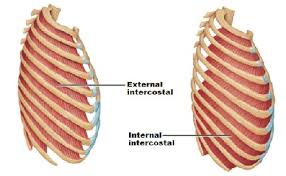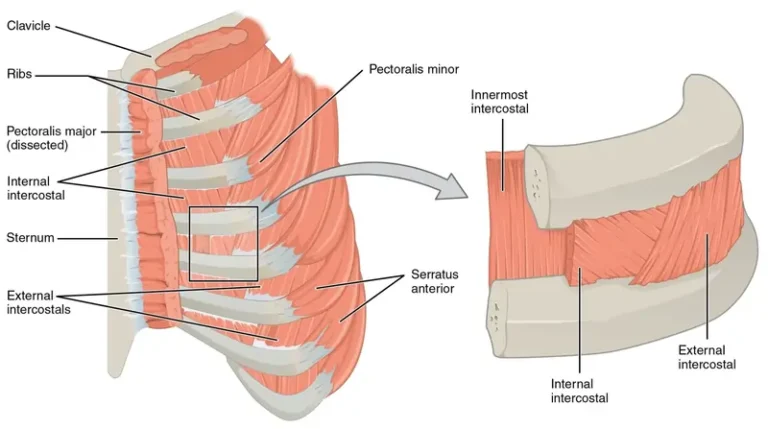
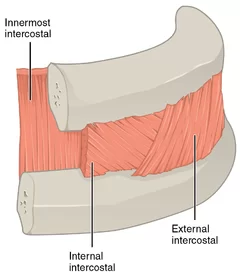
External intercostal muscles
External intercostal muscles are eleven in number on both sides. origin: Lower border of ribs. Insertion : Upper border of rib below. Nerve: intercostal nerves. Actions: Inhalation.

External intercostal muscles are eleven in number on both sides. origin: Lower border of ribs. Insertion : Upper border of rib below. Nerve: intercostal nerves. Actions: Inhalation.

Intercostal muscles are several groups of muscles that run between the ribs and help form and move the chest wall. The intercostal muscles are a group of muscles located between the ribs in the thoracic (chest) region. They play an important role in the respiratory system by assisting with breathing. There are three layers of…

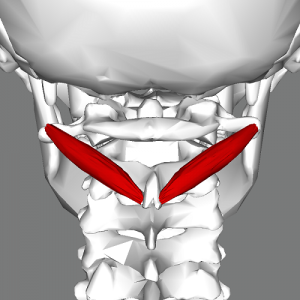
Obliquus capitis inferior muscle Anatomy One of the four suboccipital muscles is the obliquus capitis inferior muscle. The largest muscle of the four is obliquus capitis inferior, which is grouped with the rectus capitis posterior major, rectus capitis posterior minor, and obliquus capitis superior muscles. By supporting the atlantoaxial joint, obliquus capitis inferior helps to…
Obliquus capitis superior muscle is a small muscle in the upper back part of the neck and is one of the suboccipital muscles and part of the suboccipital triangle. origin: Lateral mass of atlas. Insertion : Lateral half of the inferior nuchal line Nerve: Suboccipital nerve. Actions: Extends head and flex head to the ipsilateral…

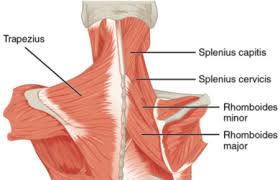
Splenius Capitis Muscle Anatomy Splenius capitis muscle is a broad, straplike muscle in the back of the neck. It pulls on the base of the skull from the vertebrae in the neck and upper thorax. It is involved in movements such as shaking the head. Origin: Nuchal ligament and spinous process of C7-T3. Insertion: Mastoid…

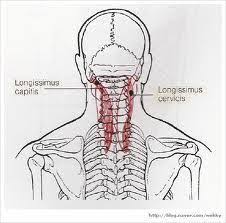
Longissimus capitis muscle: the muscle lateral to the semispinalis muscles. It is the longest subdivision of the erector spinae muscles that extends forward into the transverse processes of the posterior cervical vertebrae. origin: The transverse processes are bony projections that stick out diagonally from the back of the vertebrae, while the articular processes are bony…

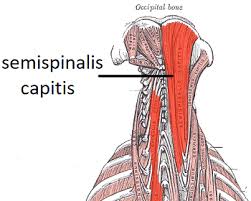
Semispinalis Muscle Anatomy a group of three muscles belonging to the transversospinales. These are the semispinalis capitis, the semispinalis cervicis, and the semispinalis thoracis. Origin Cervical region: made up of seven vertebrae in the neck (C1-C7) The thoracic region: is made up of twelve vertebrae between the neck and lower back (T1-T12) Insertion The semispinalis…

Rectus capitis posterior major muscle Anatomy arises by a pointed tendon from the spinous process of the axis, and, becoming broader as it ascends, is inserted into the lateral part of the inferior nuchal line of the occipital bone and the surface of the bone immediately below the line. origin : Spinous process of the…

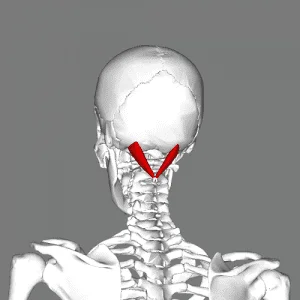
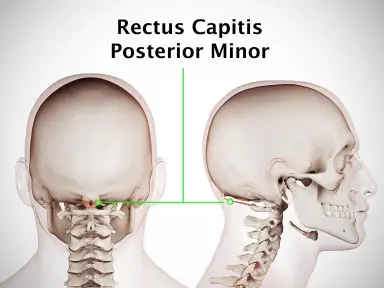
Rectus capitis posterior minor muscle Anatomy arises by a narrow pointed tendon from the tubercle on the posterior arch of the atlas, and, widening as it ascends, is inserted into the medial part of the inferior nuchal line of the occipital bone and the surface between it and the foramen magnum, and also takes some…

Obliquus capitis superior muscle Anatomy a small muscle in the upper back part of the neck and is one of the suboccipital muscles and part of the suboccipital triangle. Origin Lateral mass of atlas. Insertion Lateral half of the inferior nuchal line. Nerve Supply Suboccipital nerve. Blood Supply The obliquus capitis superior muscle and the…