Joint Hypermobility Syndrome
Table of Contents
Introduction
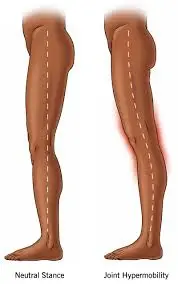
Joint Hypermobility Syndrome is a condition in which one or more joints can move beyond the normal range of motion and may be associated with joint pain, stiffness, instability, or repeated injuries.
It may become more apparent with physical exercise and impact various bodily areas. Joint stability can be enhanced and everyday function supported with appropriate evaluation, strengthening exercises, physiotherapy, and activity modification.
In this article, we will discuss the joint hypermobility syndrome condition. We will discuss all about the condition, such as introduction, clinical features, and management. Some people may have pain, exhaustion, and ligament and joint damage as a result of hypermobility.
Another name for joint hypermobility syndrome (sometimes called hypermobility spectrum disorder) is:
- Ehlers–Danlos syndrome
- Marfan syndrome
- Osteogenesis Imperfecta
- Stickler syndrome
According to the information, we will consider these two types of hypermobility:
- Hypermobility Spectrum Disorder (HSD)
- Hypermobile Ehlers–Danlos syndrome (HEDS)
Joint hypermobility VS joint hypermobility syndrome
Joint hypermobility is relatively common. Double-jointed” is another term you could hear. You have very flexible joints because of this. Joint hypermobility syndrome commonly affects parts of the body, such as the knees, fingers, wrists, and elbows.
Most people who have hypermobility do not suffer from any pain or health issues. However, for certain people, hypermobility can lead to a variety of symptoms, such as fatigue, gastrointestinal issues, joint pain, and injury to the ligaments and joints. Children and young adults are most commonly affected by joint hypermobility syndrome.
Symptoms and Causes
What are the symptoms of joint hypermobility syndrome?
- Injury to the ligaments and joints (muscle sprains and joint dislocations)
- Joint and muscle stiffness.
- Tiredness (fatigue).
- Clumsiness/poor balance.
- Bladder and bowel issues.
- Dizziness and fainting.
- Thin, stretchy skin.
What causes joint hypermobility syndrome?
There is no way to avoid hypermobility if it is inherited. It is estimated that if one parent has hypermobility, one in two offspring will also have it. Weak collagen in your body becomes the reason for hypermobility syndrome. It can be genetic.
Your bone structure may also contribute to your hypermobility. Your hip or shoulder joint will have a wider range of motion than normal if the socket portion is superficial. Likely, this will just impact one or a few joints.
Other things that can influence hypermobility are:
Your muscle tone: Your range of motion will increase as your muscles get weaker or more relaxed.
- Gender: Compared to males, females are more prone to acquiring joint hypermobility syndrome.
- Age: One of the reasons why many people lose their ability to stretch is that the collagen fibres in our ligaments have a propensity to bind together more.
- Your background: The physical characteristics of people from different ethnic backgrounds vary. People from the Indian subcontinent, for instance, frequently have hands that are far more flexible than those of Europeans.
Treating joint hypermobility syndrome
Joint hypermobility syndrome has no known cure.
Enhancing muscle strength and fitness is the primary treatment to better protect your joints.
For specialised counsel, a general practitioner can recommend that you see a podiatrist, occupational therapist, or physiotherapist.
These services can also be paid for privately. These physical therapies can help to:
- Reduce pain and the risk of dislocations
- Improve muscle strength and fitness
- Improve your posture and balance.
Complications
According to research, people with hypermobile joints may also have an insufficient amount of collagen in their body areas. This might result in further hypermobile joint problems.
It can be seen in some hypermobile people (POTS). Symptoms include cramps, chest discomfort, dizziness, fainting, and breathlessness. When a person with POTS stands up, their blood vessels don’t appropriately narrow, which results in this.
Additionally, digestive problems, including reflux, irritable bowel syndrome, and gastroparesis, may be brought on by hypermobility. These less common disorders can have significant effects on day-to-day living.
Test for joint hypermobility
- Beighton Score (Out of nine points)
- Finger extension (beyond 90 degrees)
- Passive flexion and hyperextension of the little finger (greater than 90 degrees)
- Passive opposition of the thumb
- Extension of the elbow (beyond 10 degrees)
- Extension of the knee (beyond 10 degrees)
Managing symptoms
Exercise
A healthy lifestyle should include regular exercise, and there is no reason why persons with hypermobile joints shouldn’t do it. However, until the reason for the discomfort is determined, you should cease participating in sports or workouts that require movements that hurt. It could be feasible to resume these activities without experiencing further pain if you do the proper strengthening exercises. You can get advice from a physiotherapist on how to better regulate the weights and motions needed for your favourite activity or workout.
Swimming can be beneficial because of the water resistance. Wearing an elastic bandage or splint during exercise may be beneficial if you frequently experience joint dislocations. If this is a serious issue, you might need to consult an orthopedist or physiotherapist for support.
Diet and nutrition
Although there isn’t a particular diet that will help with joint hypermobility, we do advise eating a healthy, balanced diet for overall health and to regulate your weight. The National Institute for Health and Clinical Excellence (NICE) guidelines for low back pain indicate acupuncture, but there is no evidence to support any specific therapy for hypermobility.
Complementary and alternative therapies are generally safe, but before beginning therapy, you should always talk to your doctor about their use. It’s crucial to see a therapist who is properly insured, has an established ethical code, or is legally registered.
You should evaluate the effects of any therapy or supplements you choose to take and determine whether to continue based on whether you see any improvement.
Footwear
The form of the foot varies greatly among hypermobile individuals. There are two types of arches: high-arched feet and flat feet. The arch of your foot may be supported by the orthopaedic insoles of your shoes.
Exercise for Joint Hypermobility Syndrome
Is exercise good for hypermobility?
People with hypermobility, especially those with connective tissue problems, can benefit from exercise. It can, however, also pose certain difficulties.
A person who has joints that stretch beyond their normal range of motion is said to be hypermobile. Some folks experience minor symptoms that don’t interfere with their ability to work out.
On the other hand, individuals with hypermobile joints as a result of illnesses like hypermobility spectrum disorder (HSD) and Ehlers-Danlos syndrome (EDS) may be more likely to overextend their joints and may dislocate them.
Other signs of hypermobility diseases that may make exercise difficult include:
- Joint stiffness
- Muscle soreness
- Excessive tiredness, or fatigue that
- Impairs proprioception,
- Exercise, for instance, may enhance:
Joint stability: Improving joint stability and possibly lowering the likelihood of dislocations can be achieved by strengthening the muscles around the joints.
Types of exercise to avoid
The degree of hypermobility and the joints it affects can determine whether a workout is appropriate.
However, the joints may be more strained by some physical activity than others. These consist of:
high-impact exercises, especially on hard surfaces, such as running and jumping
Sports like basketball or football that require quick movements and physical contact, heavy lifting, especially when done incorrectly, and excessive stretching
These kinds of exercises might be painless and safe for some people, but not for others.
Best types of exercise for hypermobility
For People with hypermobile joints, exercise can be beneficial. There are many types of exercises, such as mobility exercises, strength exercises, and balance exercises. Exercise includes stretching, mobility, and strengthening exercises.
Exercises for strength include:
Strengthening muscles can be achieved through mild to moderate resistance training. The required resistance can be obtained without overtaxing the joints by using resistance bands or small weights.
Low-impact exercises: You can add mobility, yoga, and walking for low-impact exercise. People with hypermobility should use caution when engaging in these activities to avoid overstretching their joints.
Pilates: This Pilates exercise program considers core strength, stability, and flexibility. People might have to stay away from more complex movements, though.
Exercises that may improve bone strength include:
Weight-bearing exercises: You can improve bone density by doing exercises like dancing, walking, and mild trekking. Even while these activities aren’t as strenuous as jogging, they nonetheless help to build bones.
Balance training: Activities that increase balance and reduce the risk of falls include lunges, step-ups, and reverse walking.
Training with an elliptical machine: This type of exercise uses weights but does not involve the impact stress of running or jumping.
How do I take care of myself?
Strengthening your muscles and joints can be achieved by:
- Exercising regularly.
- Taking frequent pauses while working out.
- Consuming a nutritious diet.
- Putting on shoes that provide support.
- Heat therapy.
- Not intentionally overstretching your joints.
FAQ
The signs and causes of joint hypermobility syndrome, as well as how to diagnose it…
The majority of people experience no pain or health problems as a result of hypermobility. Hypermobility, however, can result in several symptoms for some people, including weariness, gastrointestinal problems, joint discomfort, and ligament and joint injuries.
The Connection Between Autism and Hypermobility:
Up to 80% of people with autism exhibit hypermobility, according to numerous studies that demonstrate a close correlation between the two conditions. Although the exact nature of this association is unknown, scientists think that genetics may play a role.
Describe the condition, how it occurs, and what causes it.
It depends on the symptoms, which determine whether hypermobility is regarded as a handicap. Many hypermobility syndrome sufferers only experience minor symptoms in a small number of joints. For others, the syndrome might have a significant impact on their lives. It may make it difficult for them to perform simple daily duties.
Because of their greater range of motion, hypermobile joints may be less stable. People with this syndrome should avoid Certain activities that put stress on the joints. You should avoid high-impact exercise and excessive stretching.
Please try these best exercises to increase strength and stability in the interim:
Side plank. Raise your pelvis to form a bridge between your feet and forearms while lying on your side.
Plank. Start with your forearms and toes on the floor, face down, in the plank position. Your elbows are precisely beneath your shoulders, and your forearms are pointing forward. You should be staring at the floor with your head relaxed.
Dead Bug: complete squat with the overhead press.
Is walking good for hypermobility? It can be better for hypermobility syndrome, but it is done with safety considerations. It is a nice, low-impact activity that improves the mobility of your upper and lower extremities. You can also do strengthening exercises.
References
- Withe, M. (2024, July 24). Exercises to avoid if you have hypermobility. https://www.medicalnewstoday.com/articles/hypermobility-exercises-to-avoid#is-it-beneficial
- Joint Hypermobility Syndrome. (2025, March 19). Cleveland Clinic. https://my.clevelandclinic.org/health/diseases/21763-joint-hypermobility-syndrome